House stories
Legend or history?
A monk who invents a liqueur in 1510. A woman of Bordeaux who is given a recipe by a grateful sailor. A label that is too big, which nobody wanted to correct. A bottle smashed in San Francisco. Spirits houses have been telling their own stories for two centuries, and those stories have often fared better than their archives. Here, twenty-three of them are put to the test of the sources.
Twenty-three houses, twenty-three questions
Each story takes five to seven minutes to read. The answer comes at the end.
-
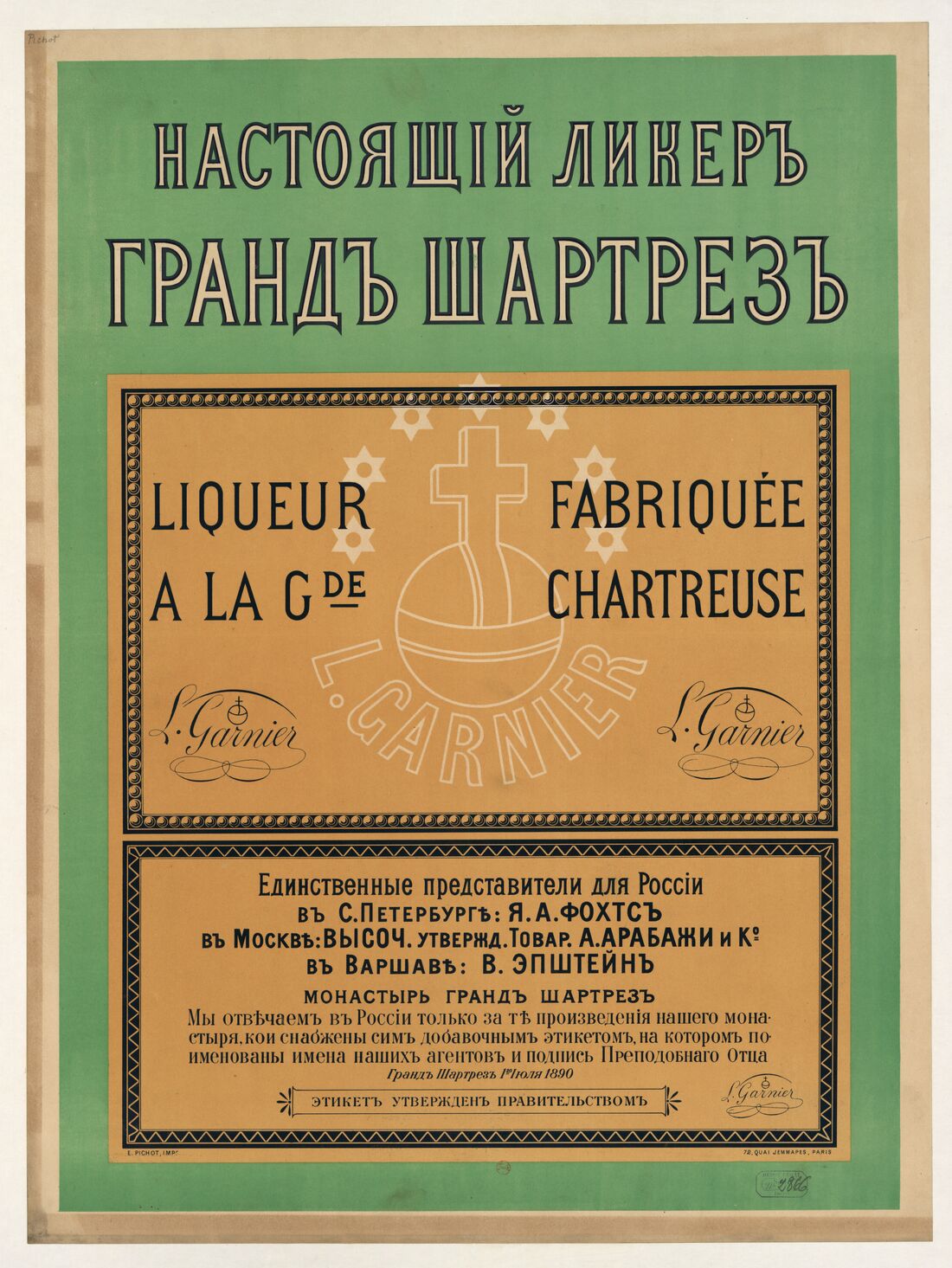
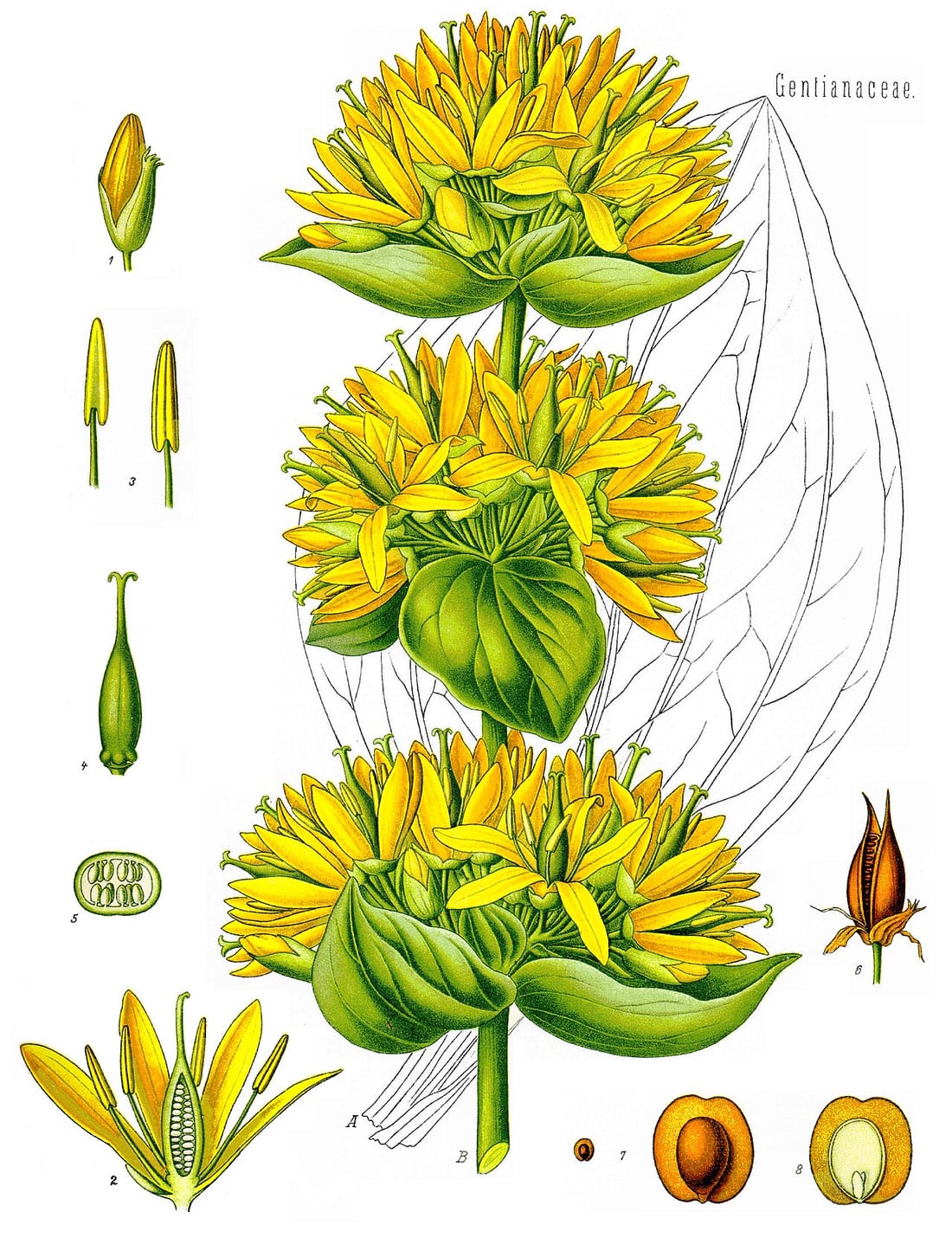
Chartreuse Does Chartreuse come from a secret manuscript of 1605? A hundred and thirty plants, a green liqueur and a yellow one, monks driven out in 1903: the secret survived exile, but the 1605 manuscript has never been seen.
-
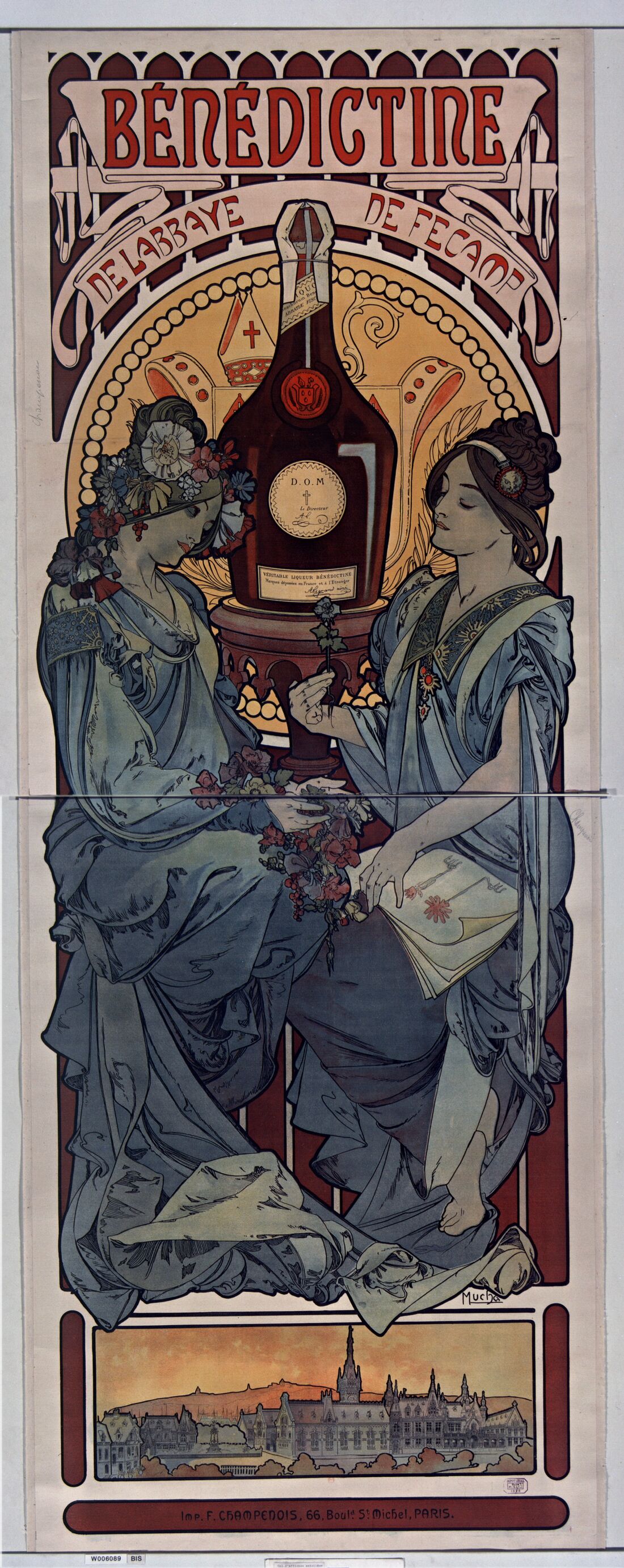
Bénédictine Did a monk invent Bénédictine in 1510? A Fécamp merchant, a Latin motto and a monk who cannot be found: the “monastic” liqueur was born in 1863.
-
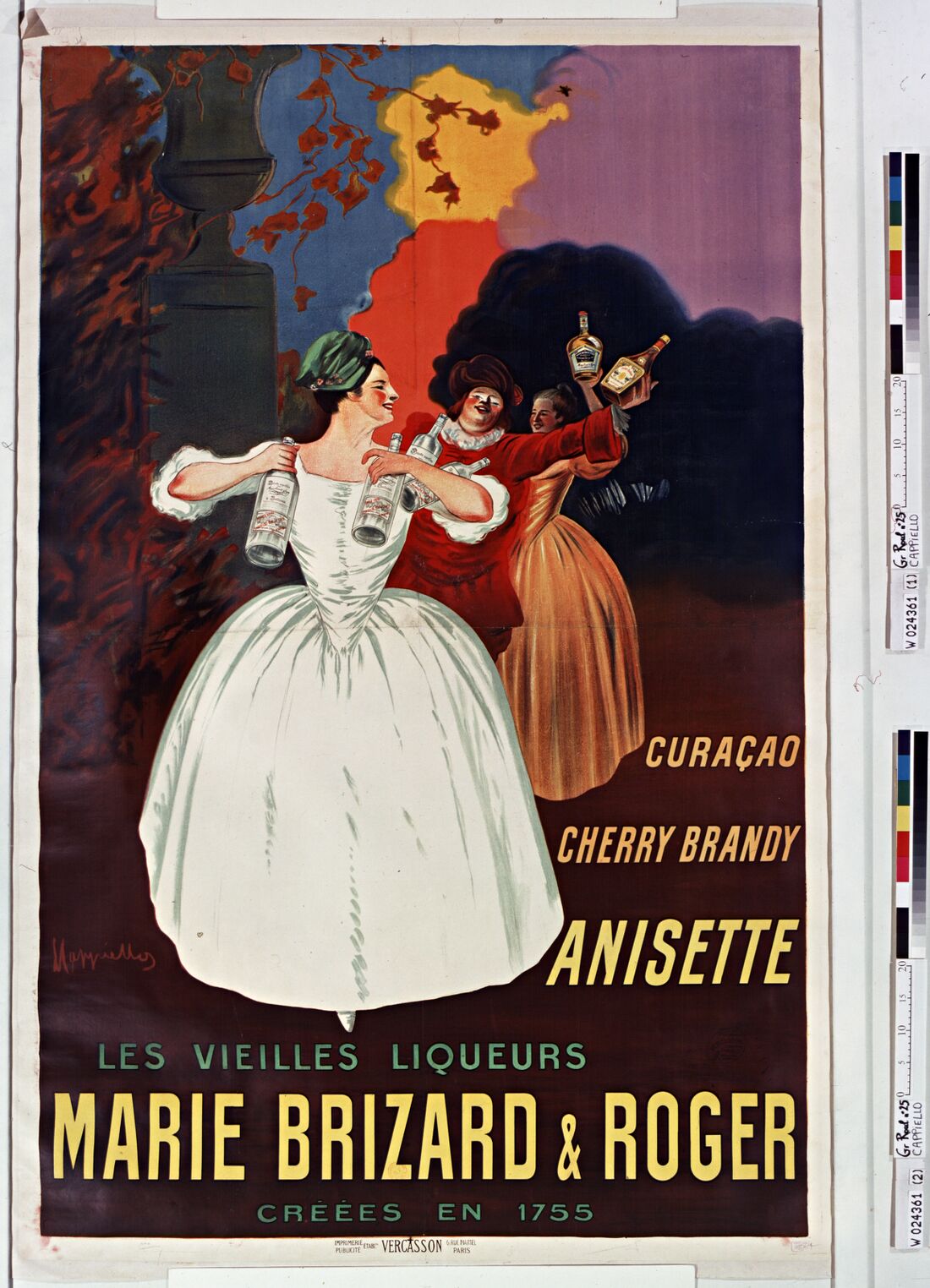
Marie Brizard Did Marie Brizard receive her recipe from a sailor she had nursed? A woman of Bordeaux in 1755, a feverish sailor, a recipe given in thanks: the story was written two centuries later.
-
Picon Was Amer Picon born in 1837 in a town that did not yet exist? A soldier of the conquest, a bark against fever, a town founded by the army: the aperitif comes from colonial Algeria.
-
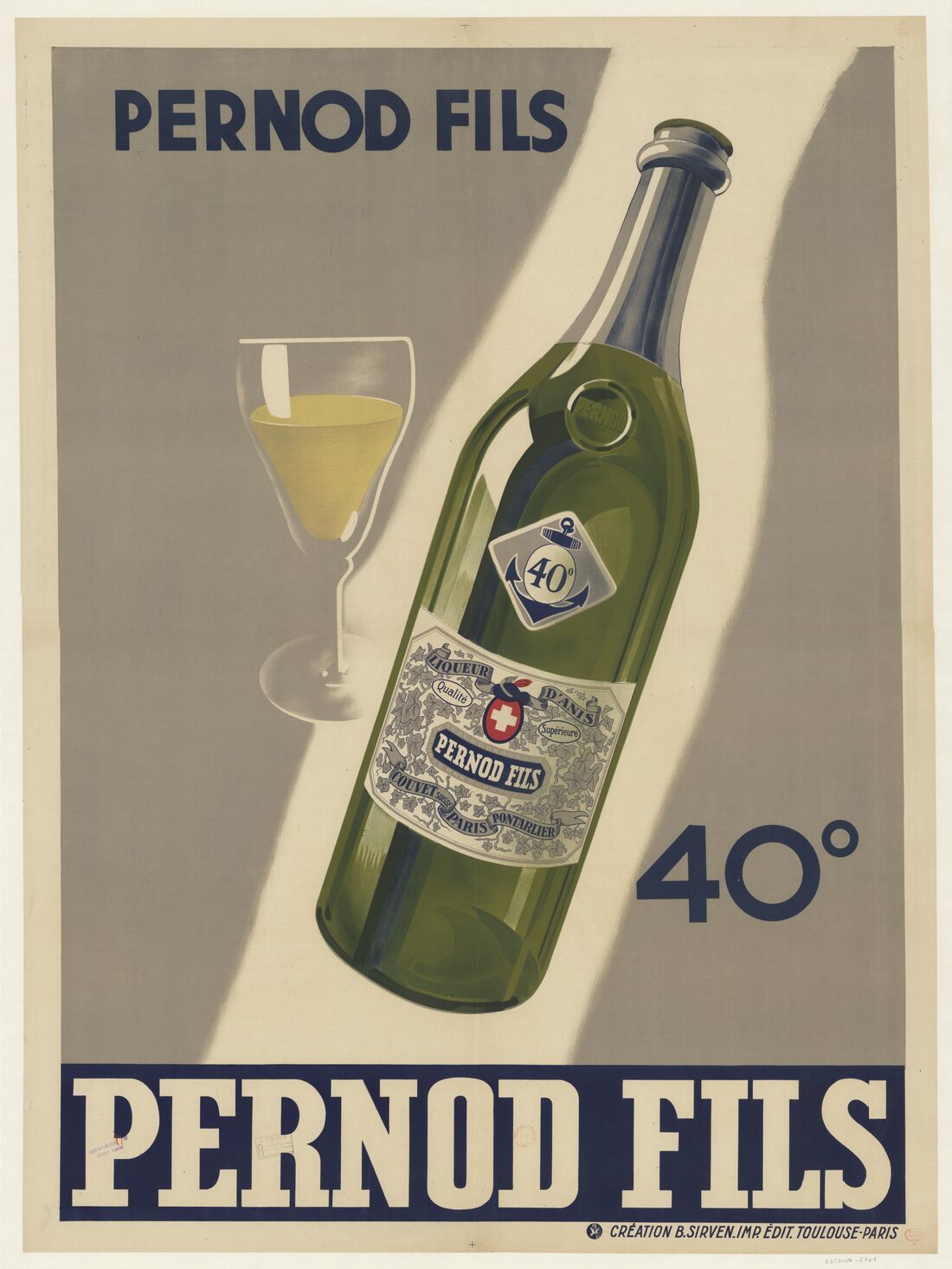
Pernod Did absinthe from the Pernod factory really flow all the way to the Loue? A storm in August 1901, a distillery on fire, a river that smells of anise: the accident moved geology forward.
-
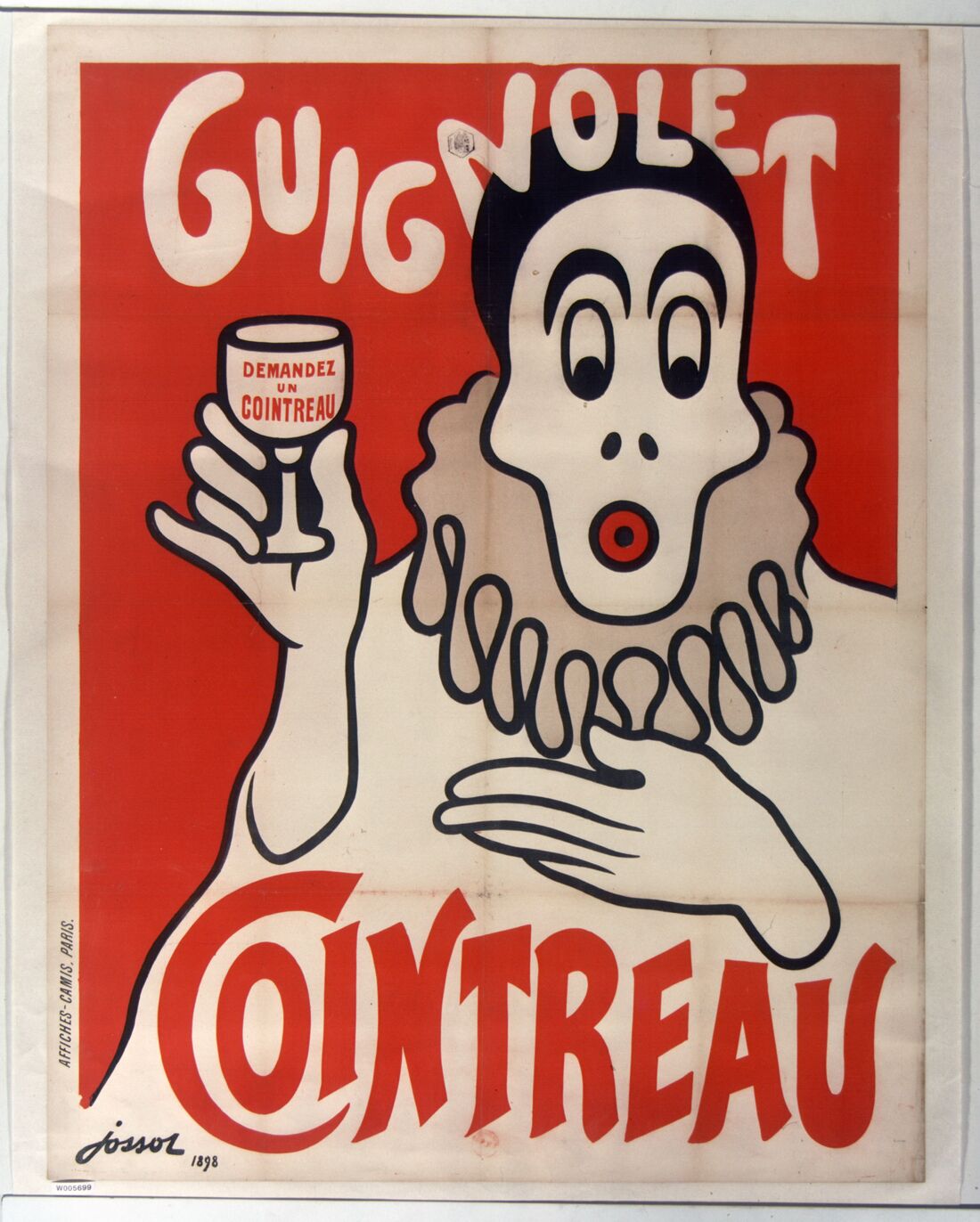
Cointreau Did Cointreau shoot the first advertising film in history? Confectioners from Angers, a Pierrot, a square bottle — and a “first advertising film” that comes after the others.
-
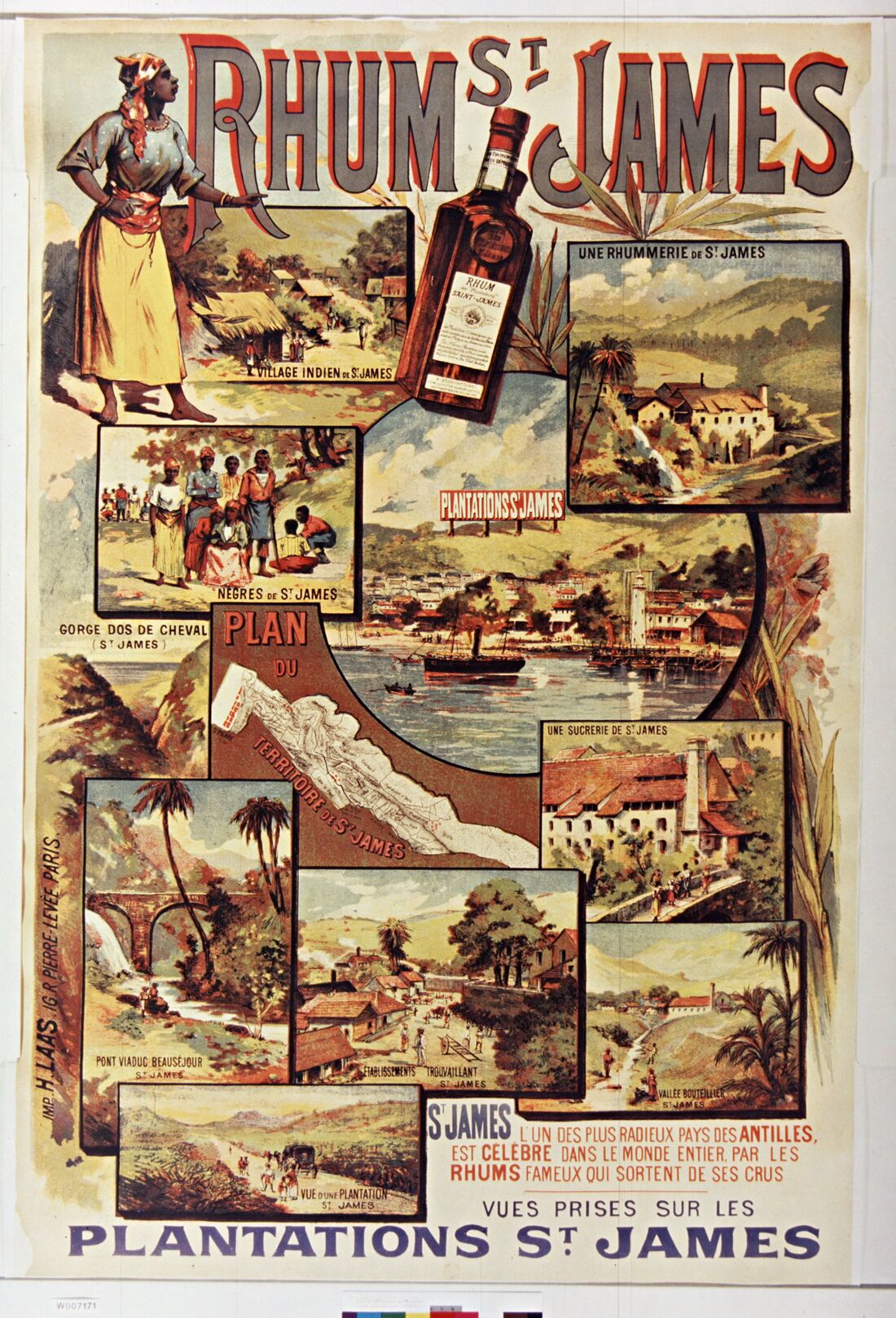
Saint-James Was the square Saint-James bottle designed for ships' holds? A plantation estate at Saint-Pierre, enslaved people and then indentured labourers, a rum distillery partly spared by the volcano, and a square bottle said to have been stacked in ships' holds.
-
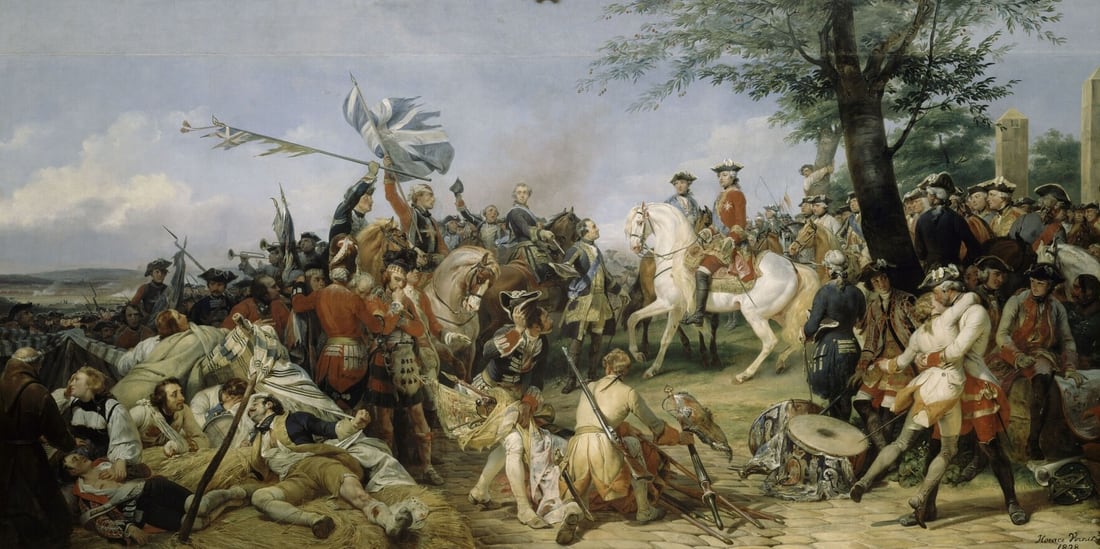
Hennessy Did an Irish officer from Fontenoy found Hennessy in 1765? An Irishman in the service of the King of France, casks of Charente wine spirit, a trading base in Ostend: 1765 marks the start of a small trade, not yet of a great house.
-
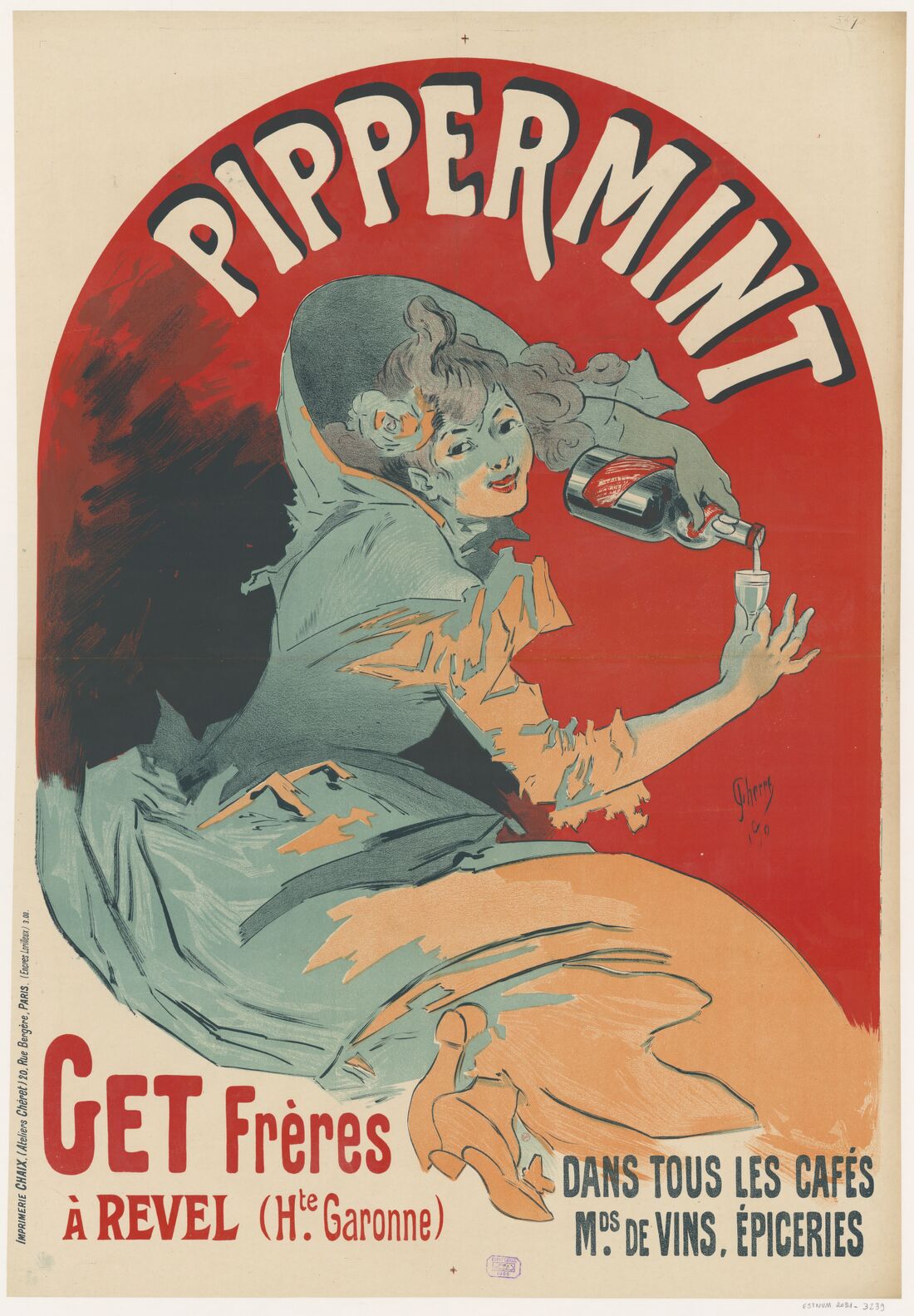
Get 27 Did the Get brothers create their mint liqueur in 1796? Peppermint, a bastide town in the Lauragais, a forgotten liqueur maker: the green liqueur of Revel has borne three names, and it is older than its founders.
-
Suze Does Suze owe its name to a sister-in-law? A mountain root, a suburban distillery, a Picasso papier collé — and two countries arguing over a first name.
-
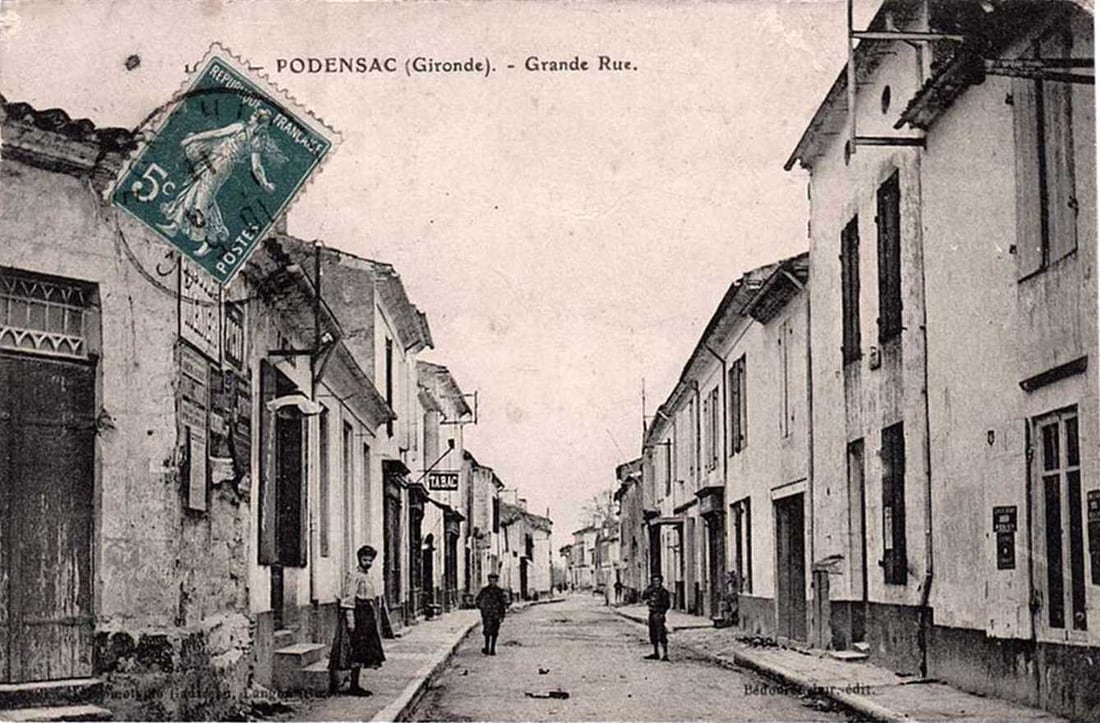
Lillet Was James Bond's Vesper born at Lillet? Two brothers from Podensac, a cinchona bark, a novel of 1953 — and a product that has changed both its formula and its name.
-
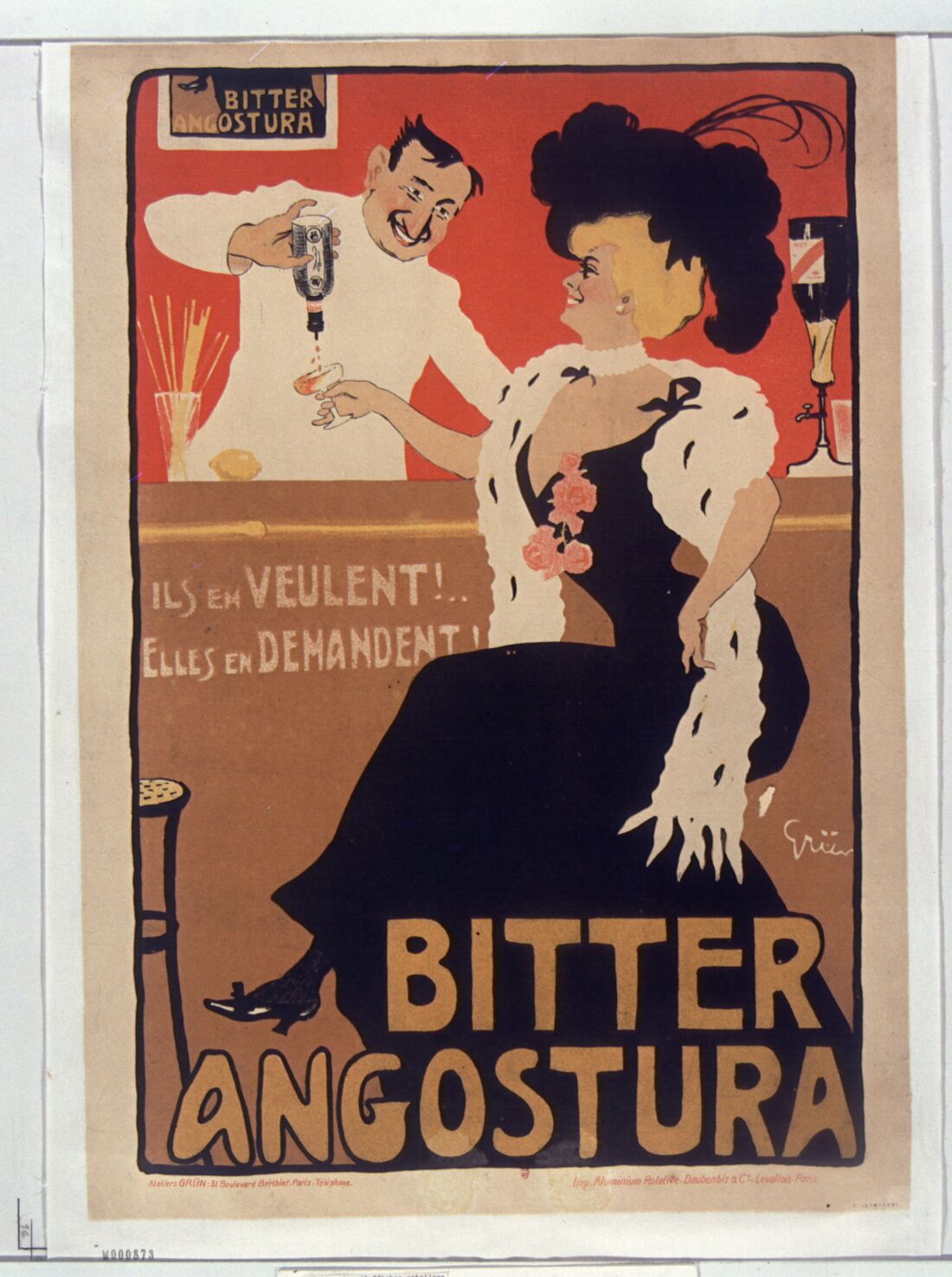
Angostura Is Angostura's oversized label a mistake that nobody corrected? A surgeon in Bolívar's army, a bitters of barks and roots, a renamed town, and an oversized label whose origin nobody knows.
-
Jägermeister Does Jägermeister owe its name to Hermann Göring? A vinegar maker from Lower Saxony, a hunting law of 1934, a stag borrowed from another legend: a name that is not innocent.
-
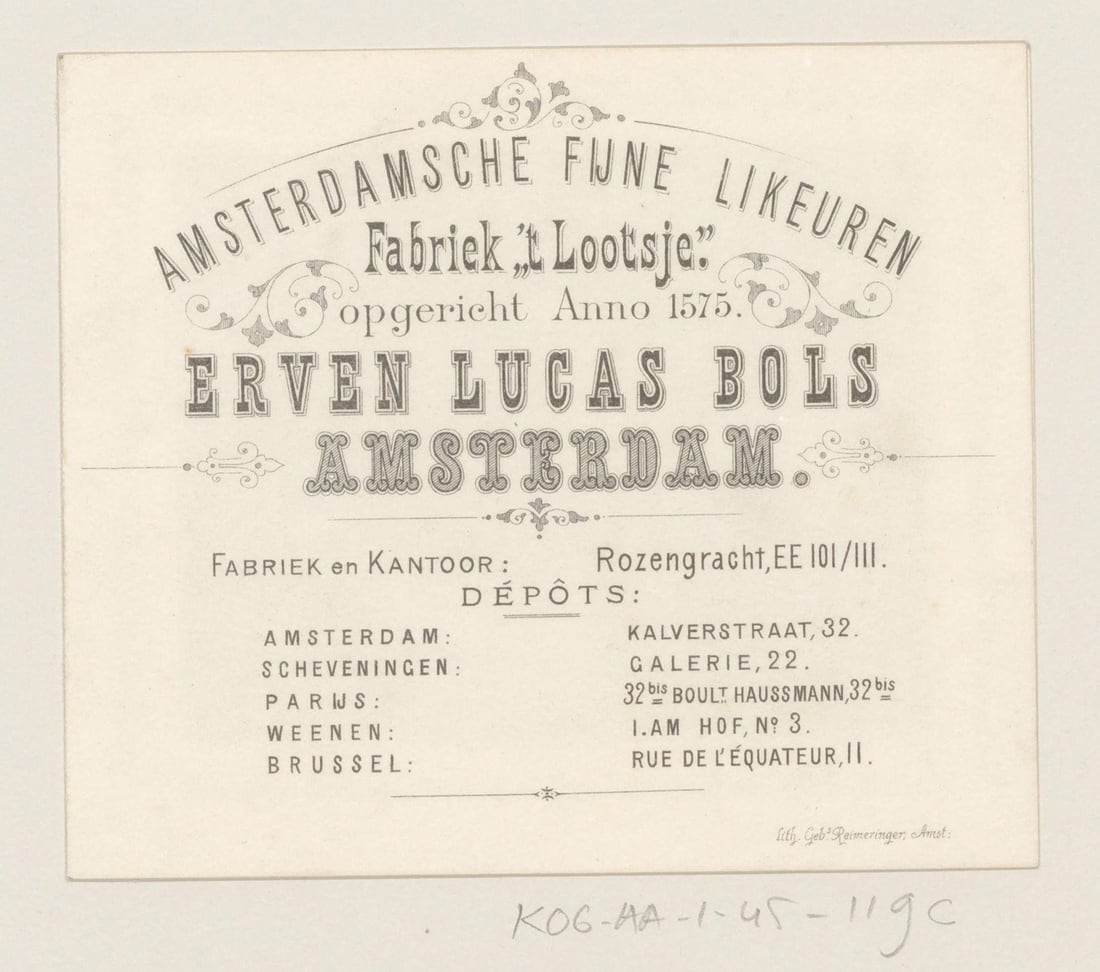
Lucas Bols Was the world's oldest spirits brand born in Amsterdam in 1575? A cooper from the Land of Jülich, a plot of land on the Rozengracht, a Lucas Bols buried in the Westerkerk, and a date, 1575, of which the Amsterdam records know nothing.
-
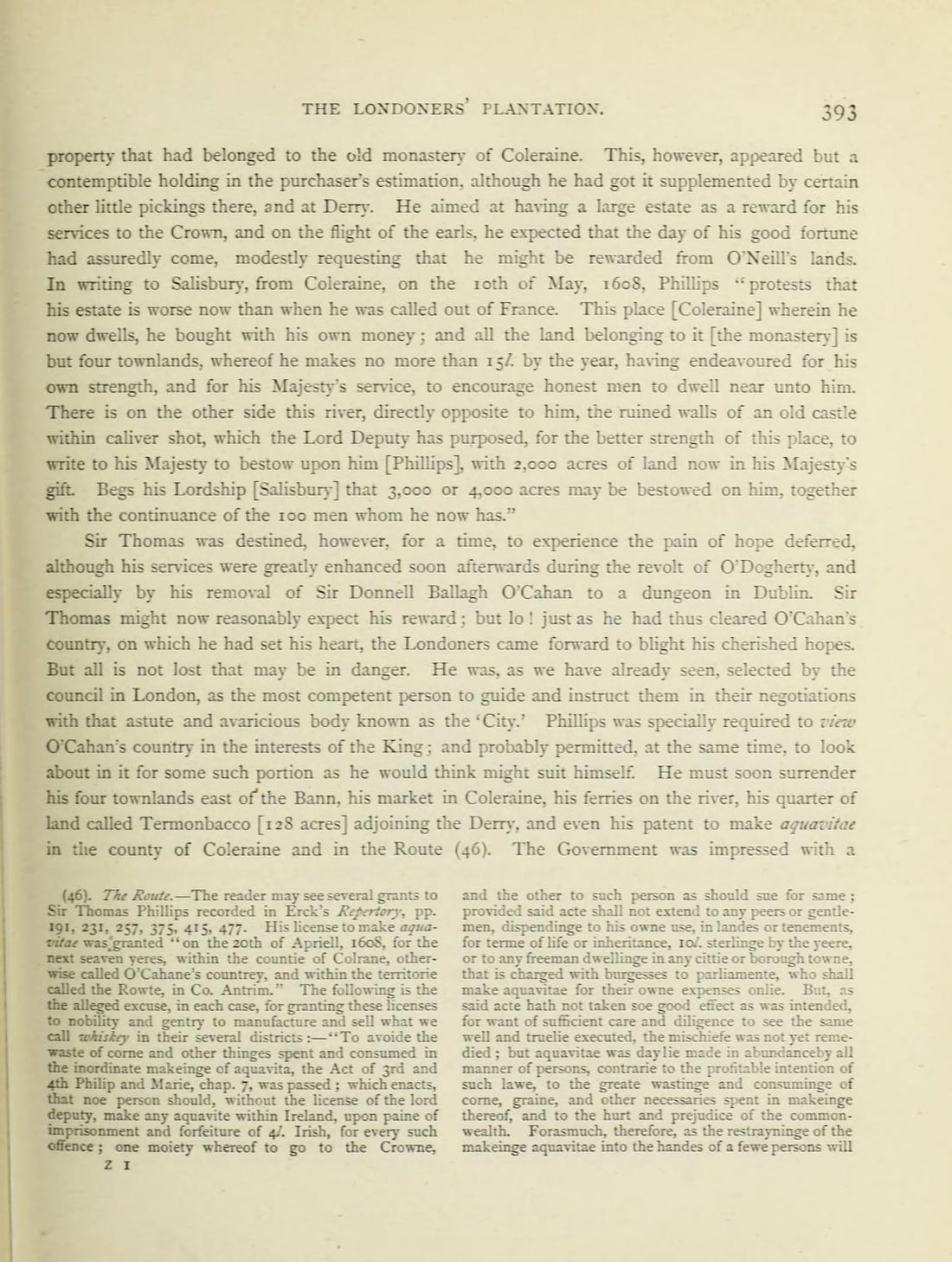
Bushmills Has Bushmills really been distilling since 1608? An officer of the conquest of Ulster, a seven-year licence, a whole territory: in 1608, the king granted nothing to a village called Bushmills.
-
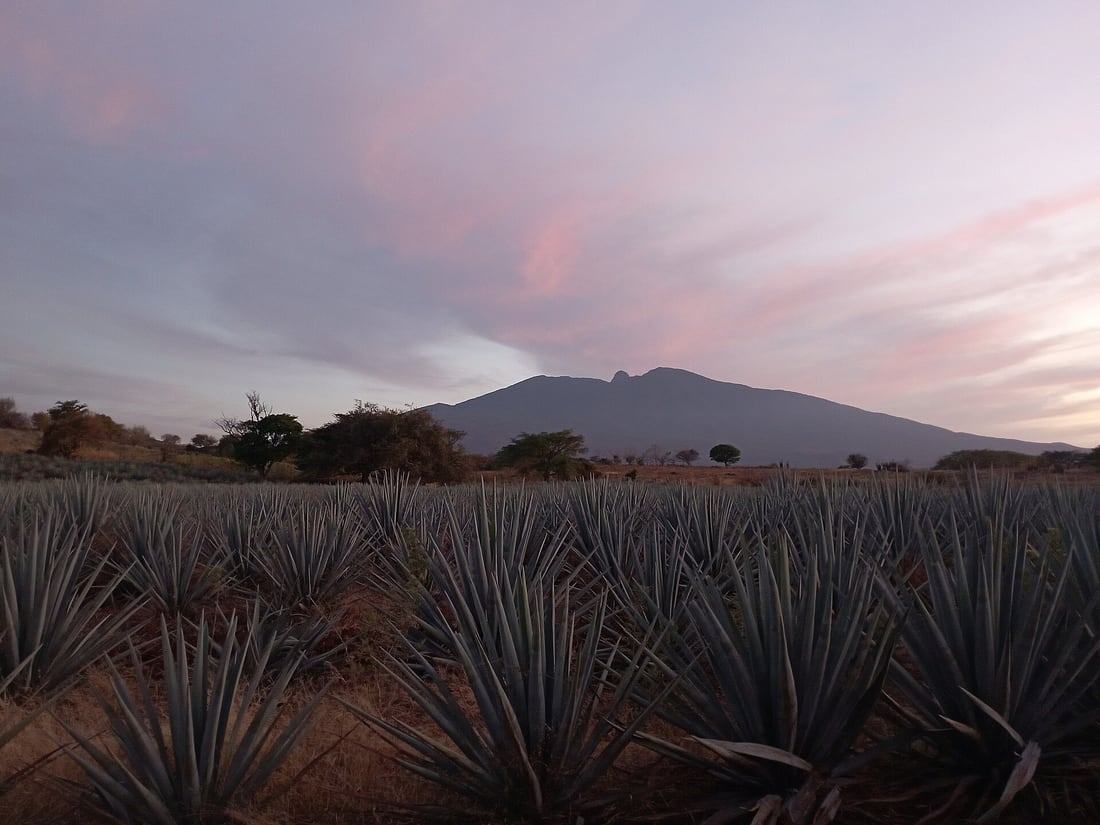
Jose Cuervo Did the King of Spain give the Cuervos the first tequila licence? A confraternity of the Souls in Purgatory, two plots of land in Tequila, a will that counts the agaves plant by plant, and a royal “first licence” whose published document seems to tell another story.
-
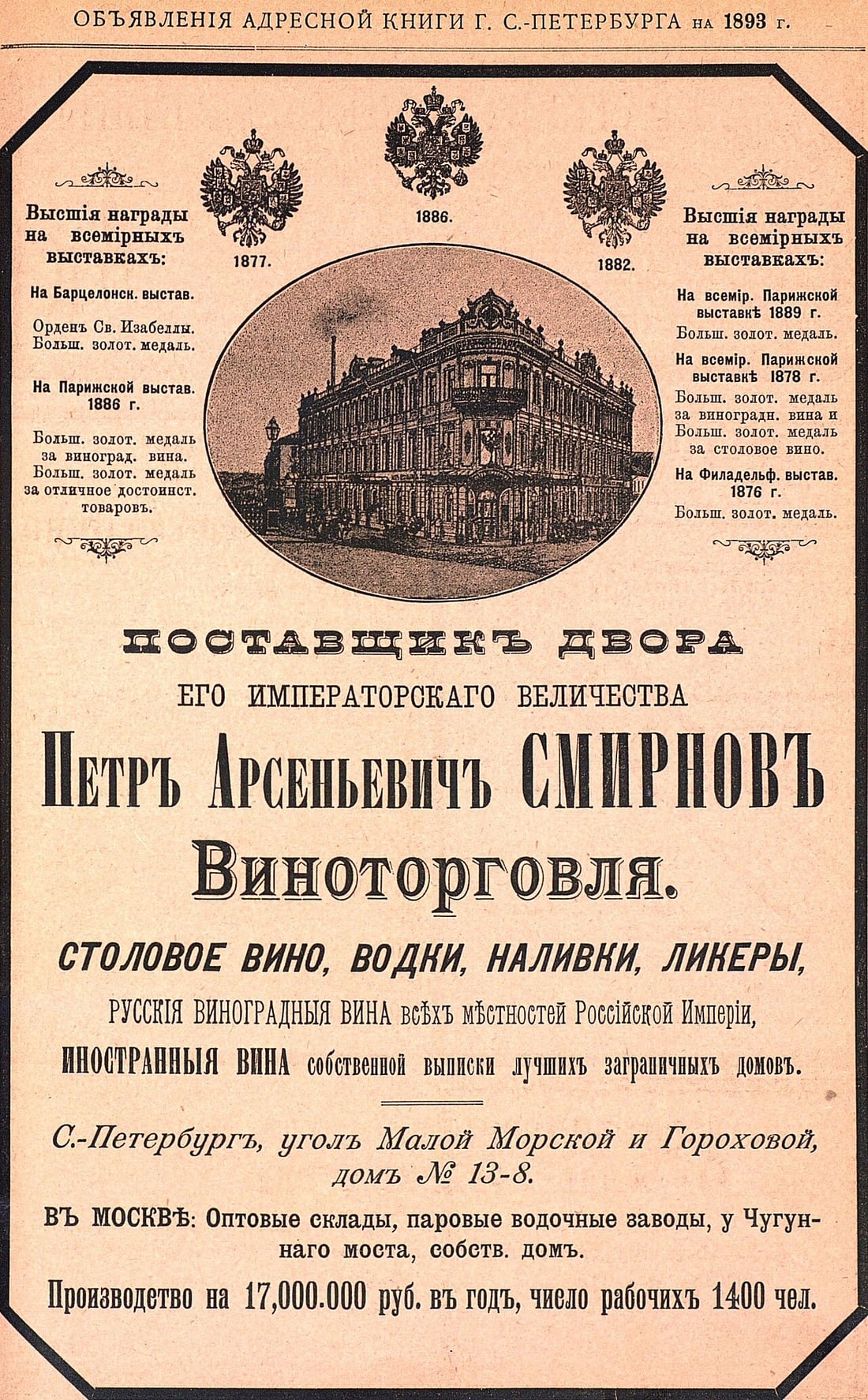
Smirnoff Does Smirnoff vodka owe its survival to an execution averted? A son of serfs who became purveyor to the tsar, a state monopoly, a revolution, and an heir in exile who sold his name for America.
-
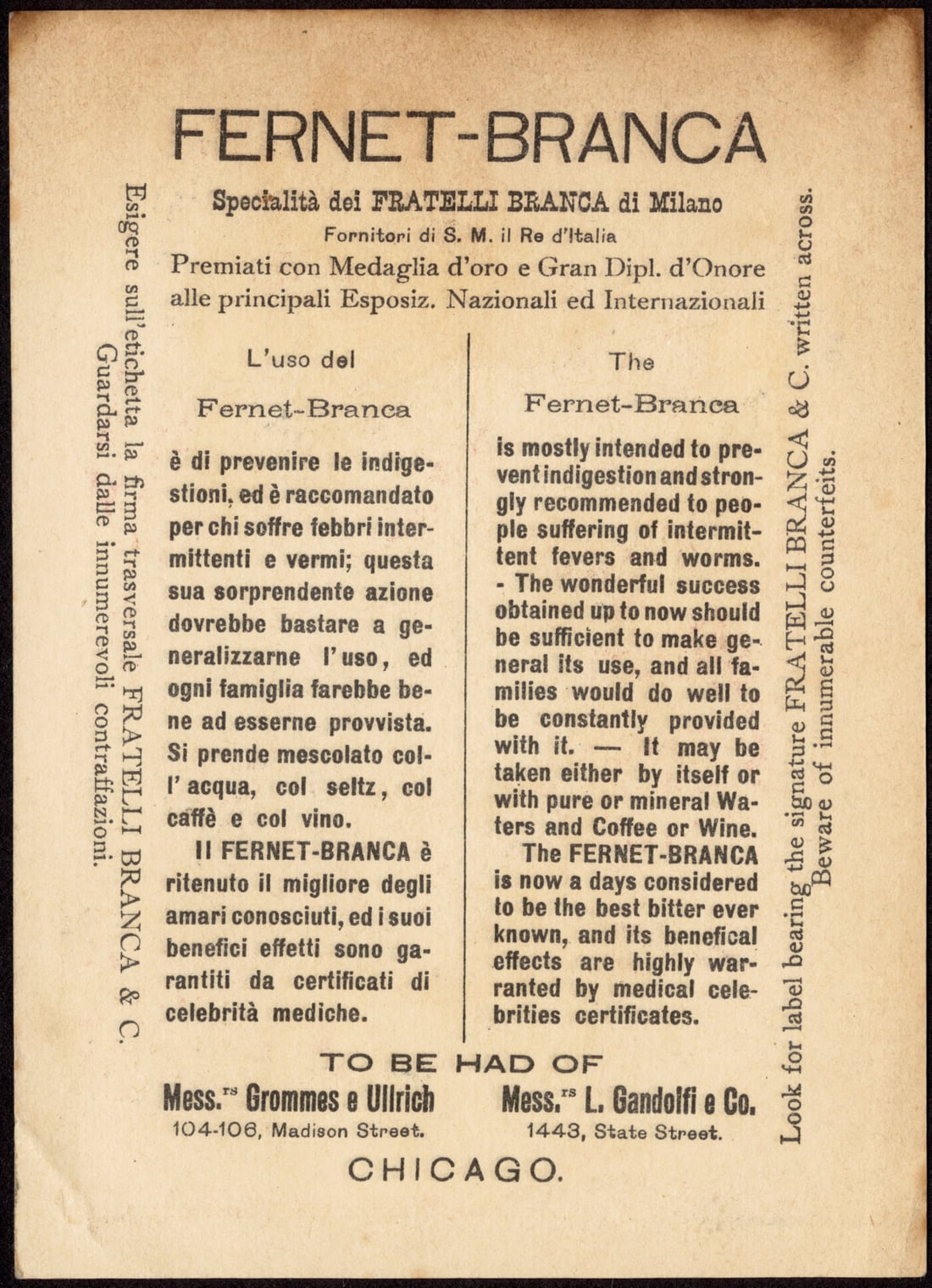
Fernet-Branca Does Fernet-Branca come from a Swedish doctor called Fernet? A Milanese apothecary, a Swedish doctor of whom no trace has been found, an eagle perched on the globe: the name Fernet is older than the house that made it famous.
-
Linie Aquavit Was linie born of unsold casks that came back from the Indies in 1805? A brig from Trondheim bound for the East Indies, casks said to have crossed the equator twice, a chemist trained in Berlin, and the name of a ship printed on the back of every label.
-
Bacardí Did a colony of bats give Bacardí its emblem? A distillery in Santiago de Cuba, bats under the roof, a coconut palm, a son who was both mayor and a partisan of independence, then the nationalisation of 1960: a Cuban rum that became a rum of exile.
-
Jack Daniel's Who taught Jack Daniel to make whiskey? A boy taken in by a preacher who distilled, a man who had known slavery, a date on the label: in 2016, the Lynchburg distillery rewrote its origins.
-
Kweichow Moutai Did a broken bottle win Moutai a gold medal in 1915? A salt town at the bottom of a valley, a spirit sent to San Francisco, a medal whose metal is disputed, and family distilleries turned into a State enterprise.
-
Nikka Did a young Japanese man steal the secrets of Scotch whisky with a pen and a notebook? A room rented from the Cowans, two notebooks filled in Campbeltown, a Scotswoman who went to live in Hokkaidō: an apprenticeship told as a theft.
Six threads to pull
Houses are not islands. The same devices recur from one label to the next — the monk's habit, the poster, the bark from the colonies, exile — and they are better understood by following them from one story to another.
The monk on the label
A monk's habit sells. Some liqueurs really were born in a monastery and are still made there; others gave themselves a monk after the fact. Telling the two apart is the first exercise of this section.
The stories to read
The room : Monks, true and false
The poster, the first brand image
Between 1880 and 1914, aperitifs and liqueurs commissioned their posters from the finest lithographers. Mucha, Chéret and Cappiello invented modern advertising — and the houses gained a memory in images that they still cultivate.
The stories to read
Cinchona aperitifs, bitters and colonies
Cinchona bark treated the fevers of soldiers and settlers; it found its way into wine and into bitters. Behind several familiar aperitifs lie the Army of Africa, the trading posts and the colonial economy. We say so plainly.
The stories to read
From absinthe to pastis
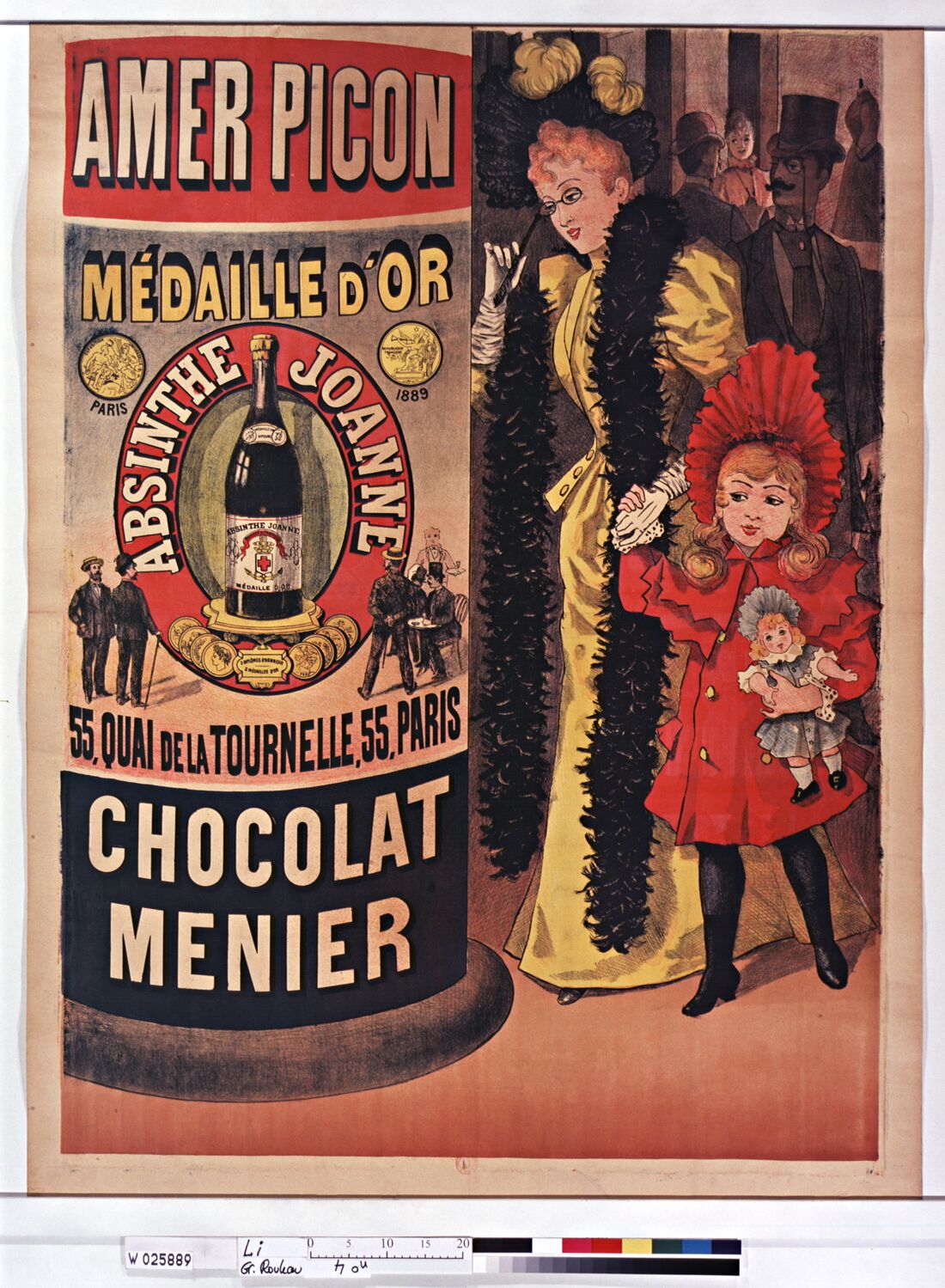
Pontarlier, the green fairy, the ban of 1915, then anise taking the place left empty: a single industrial story, French and Swiss, that several houses lived through.
The stories to read
The room : The Green Fairy
Exiles and departures
An Irish officer who stops in Cognac, expelled monks distilling in Spain, a town wiped off the map by a volcano: houses, too, have their stories of uprooting.
The stories to read
The women who founded them
In the 18th century, a woman runs a trading house in Bordeaux. The brand story has made her the heroine of an anecdote; the archives make her a merchant. The thread is still to be pulled, and the corpus to be completed.
The stories to read
Our charter of independence
These stories talk about brands without promoting them.
- No house pays for, commissions or reviews a story.
- No commercial links: no prices, no address where to buy.
- Archives lent to us are cited as sources, with nothing given in return.
Brand stories are attributed to those who tell them and set against the sources. An error, a source to add? Write to us.
Alcohol abuse is dangerous to health. Consume in moderation.