The rooms
One question, six display cases, and the answer at the end
Each room tells a story: it starts from a question and follows it from display case to display case, an object, a narrative, what is really known. About six minutes, to be read in one go.
-
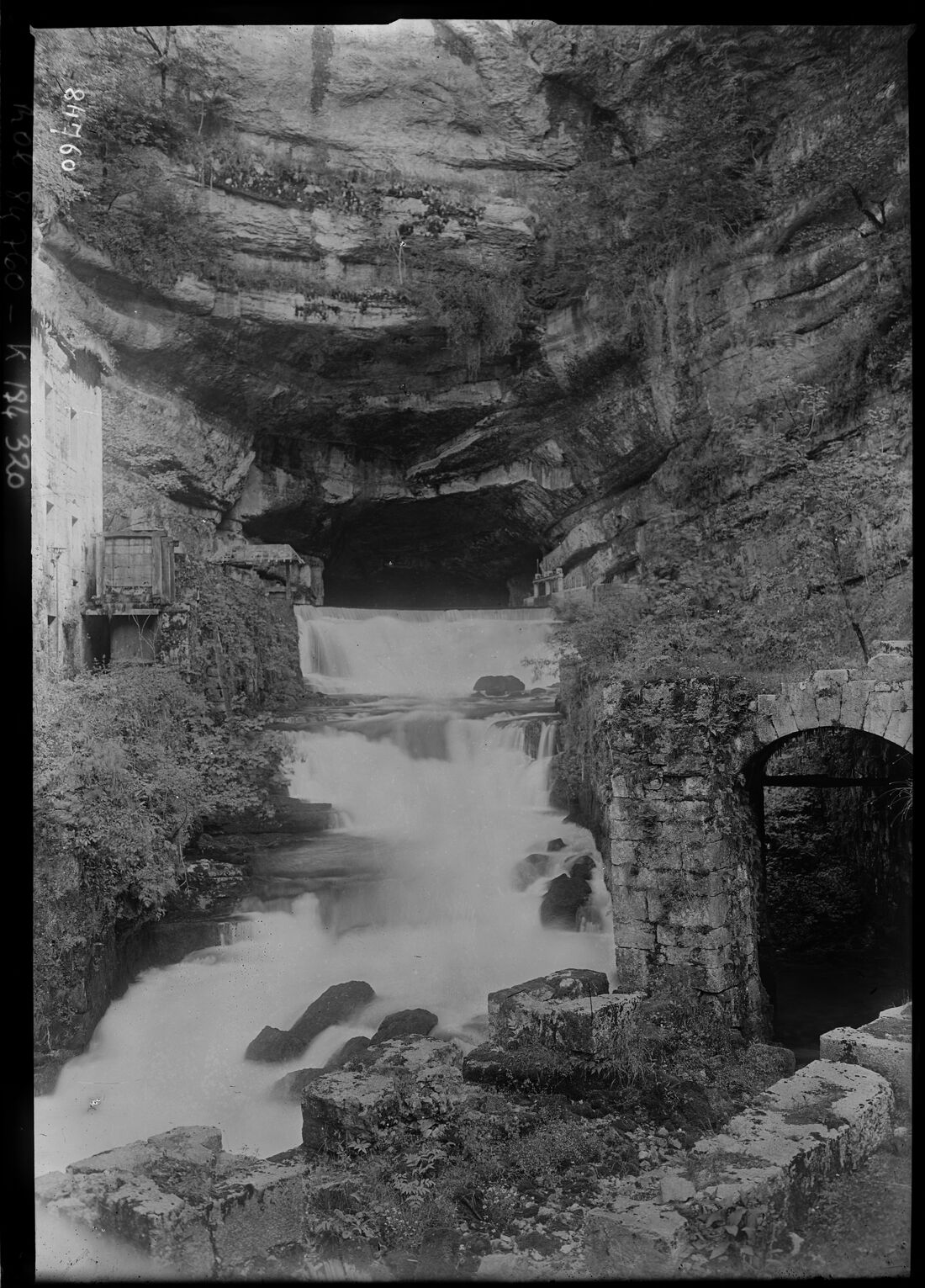
Why did France ban absinthe?
In 1901, absinthe resurfaces at the source of the Loue; in 1915, it is outlawed. Seven display cases following a pharmacy elixir that became an industry, an emblem, a scapegoat, then a geographical indication.
-
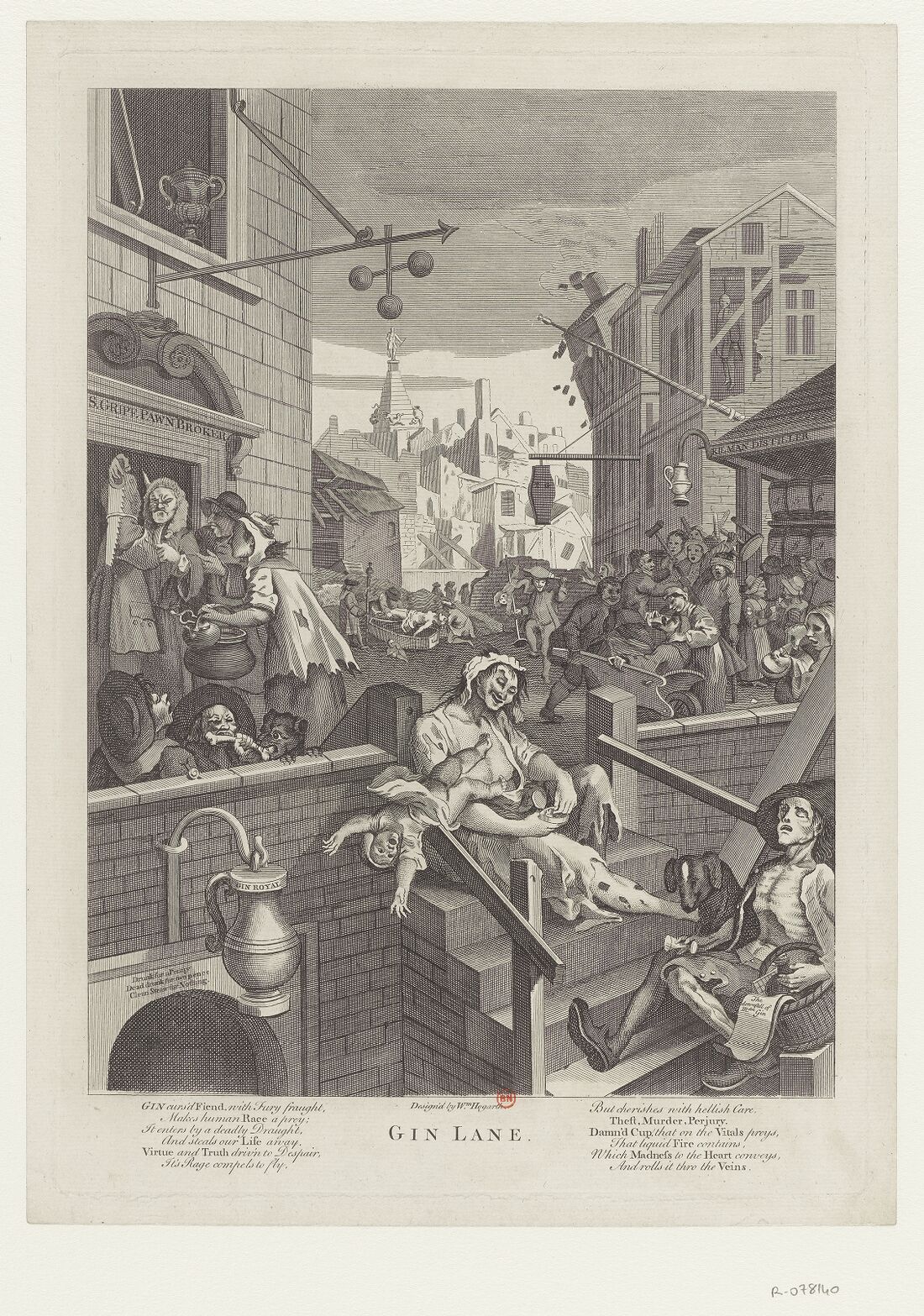
Did gin really ruin London?
In 1751, an engraving by Hogarth makes a London alley the very image of ruin. Five display cases to trace this image back to its causes: a Flemish remedy, a Dutch king, laws that fail.
-
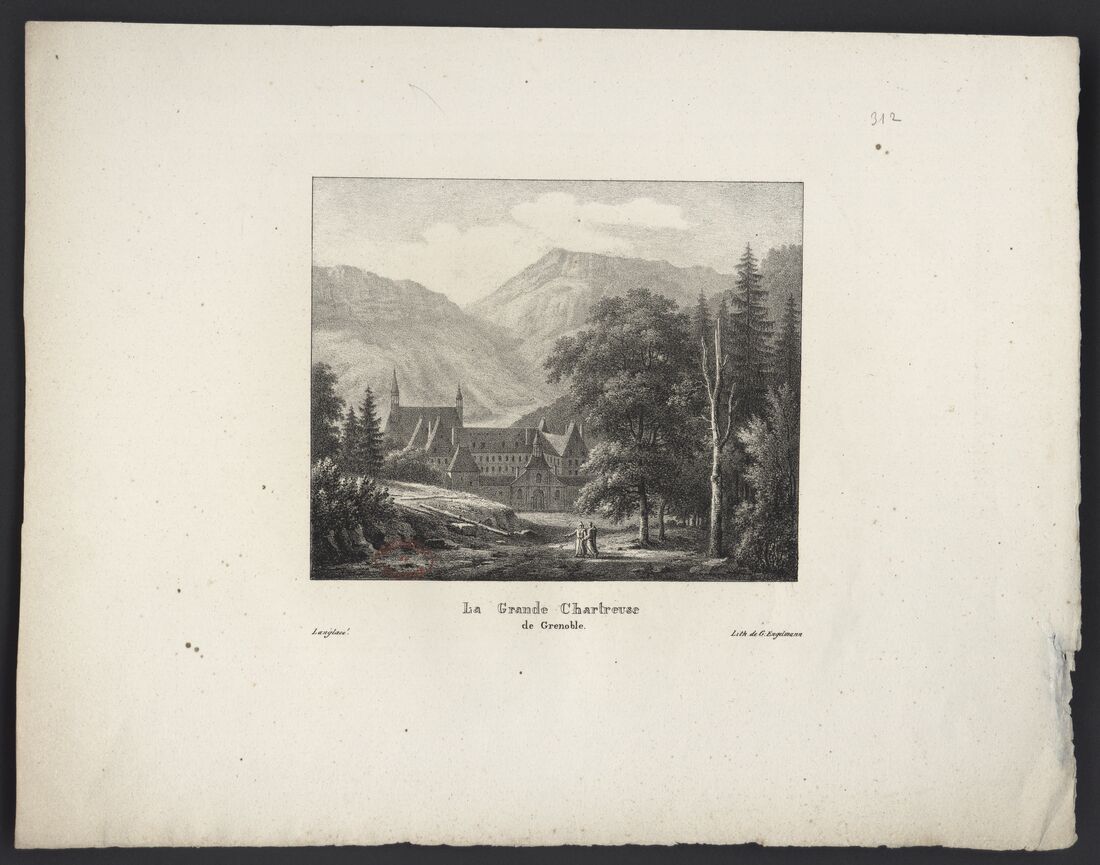
Are monks' liqueurs made by monks?
Two liqueurs, two monasteries in the imagery, two opposite stories. Six display cases to separate what belongs to the archive, to tradition and to advertising.
-
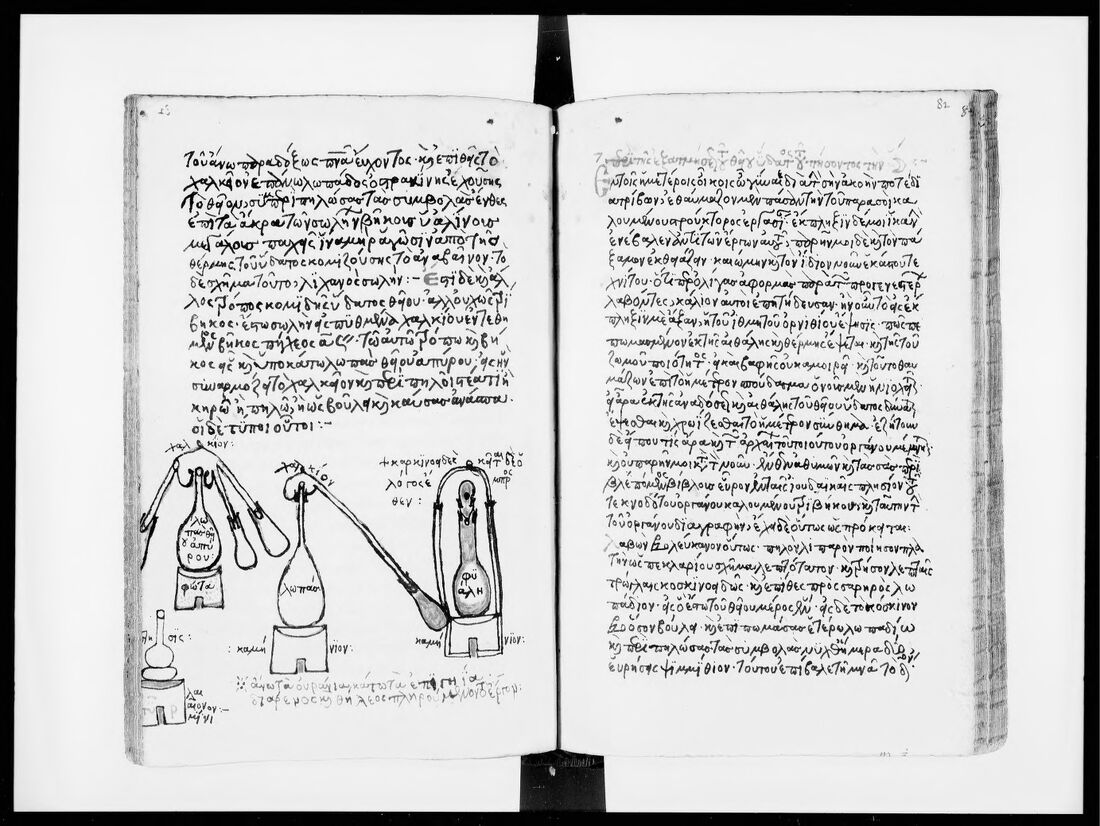
Who invented the still?
A vessel, a head, a tube that cools: the apparatus has changed little in nearly two thousand years, but what is asked of it has changed completely. Six display cases, from the quest for gold to the law on home distillers.
-
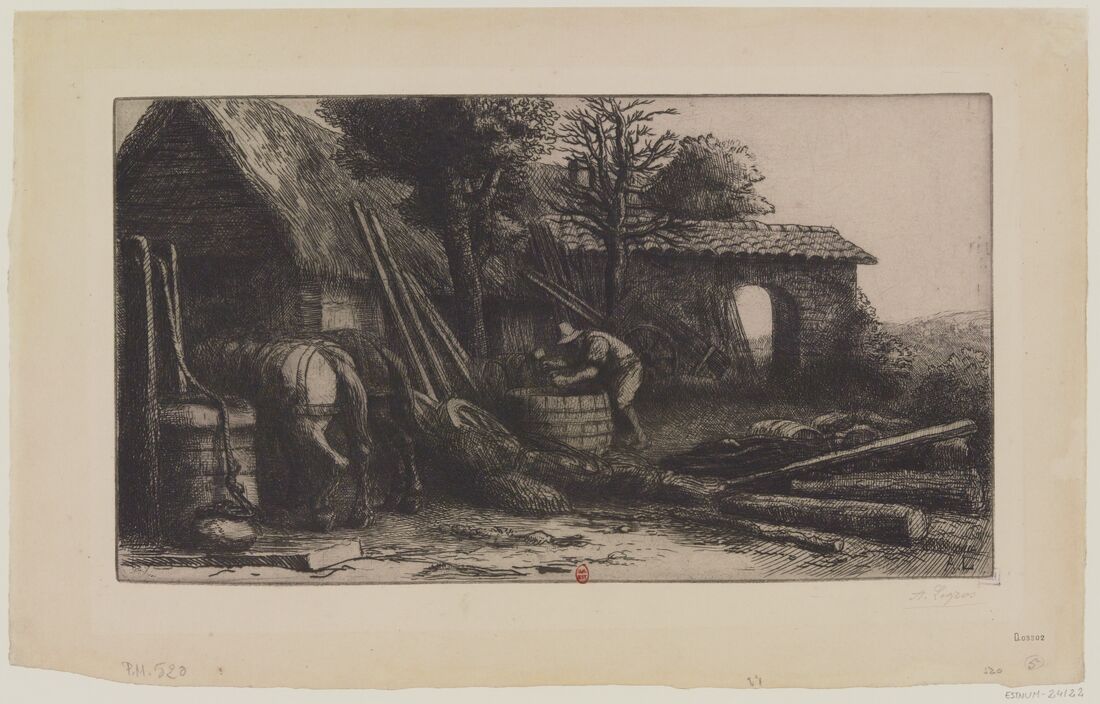
What does time do to an eau-de-vie?
A cask, a cellar, years. Six display cases to understand what happens between leaving the still and reaching the bottle, and what age statements really say.