House stories · Lillet
Was James Bond's Vesper born at Lillet?
Lillet's website implies that the Vesper, James Bond's cocktail, was born in the house's world before being “taken up” by Ian Fleming. Yet the first text to name it is the novel itself. And the ingredient it cites, Kina Lillet, no longer exists under that name or in that formula.
The story
It was Ian Fleming who made Kina Lillet legendary, not the other way round; the product he named disappeared around 1985–1986.
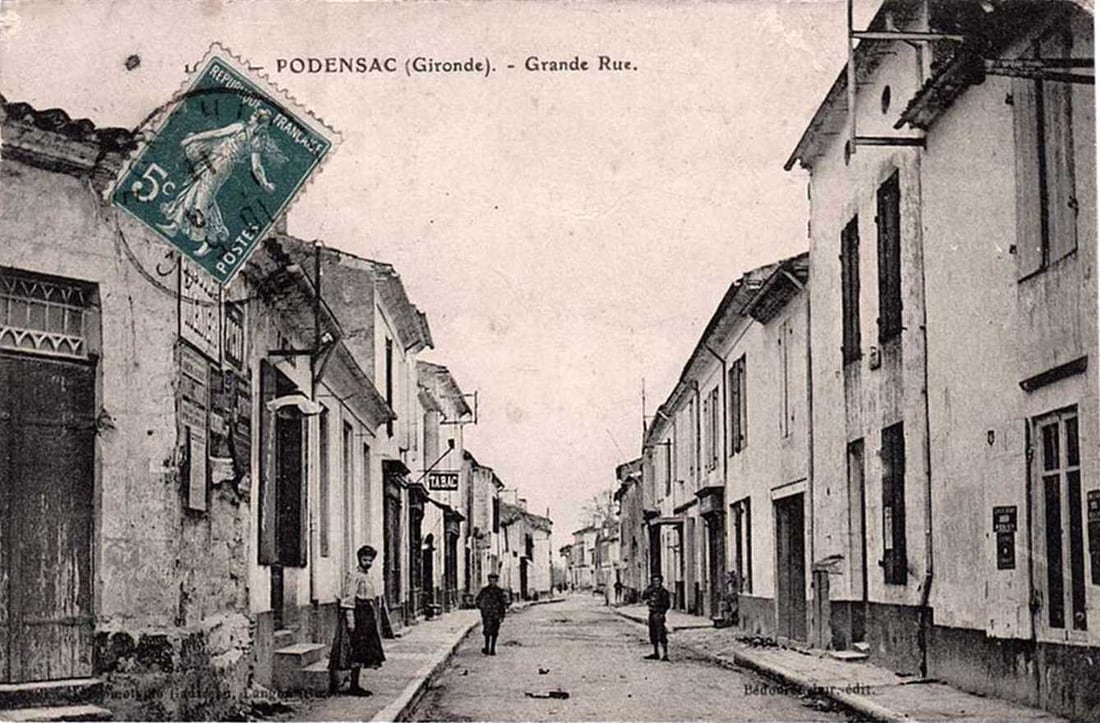
Podensac is a small town in the Graves, on the left bank of the Garonne, upstream from Bordeaux. In 1872 two brothers, Paul and Raymond Lillet, set up a business there as liqueur makers and merchants of fine wines and spirits. Their idea comes down to one word of the period: “kina”, that is to say quinquina, cinchona.
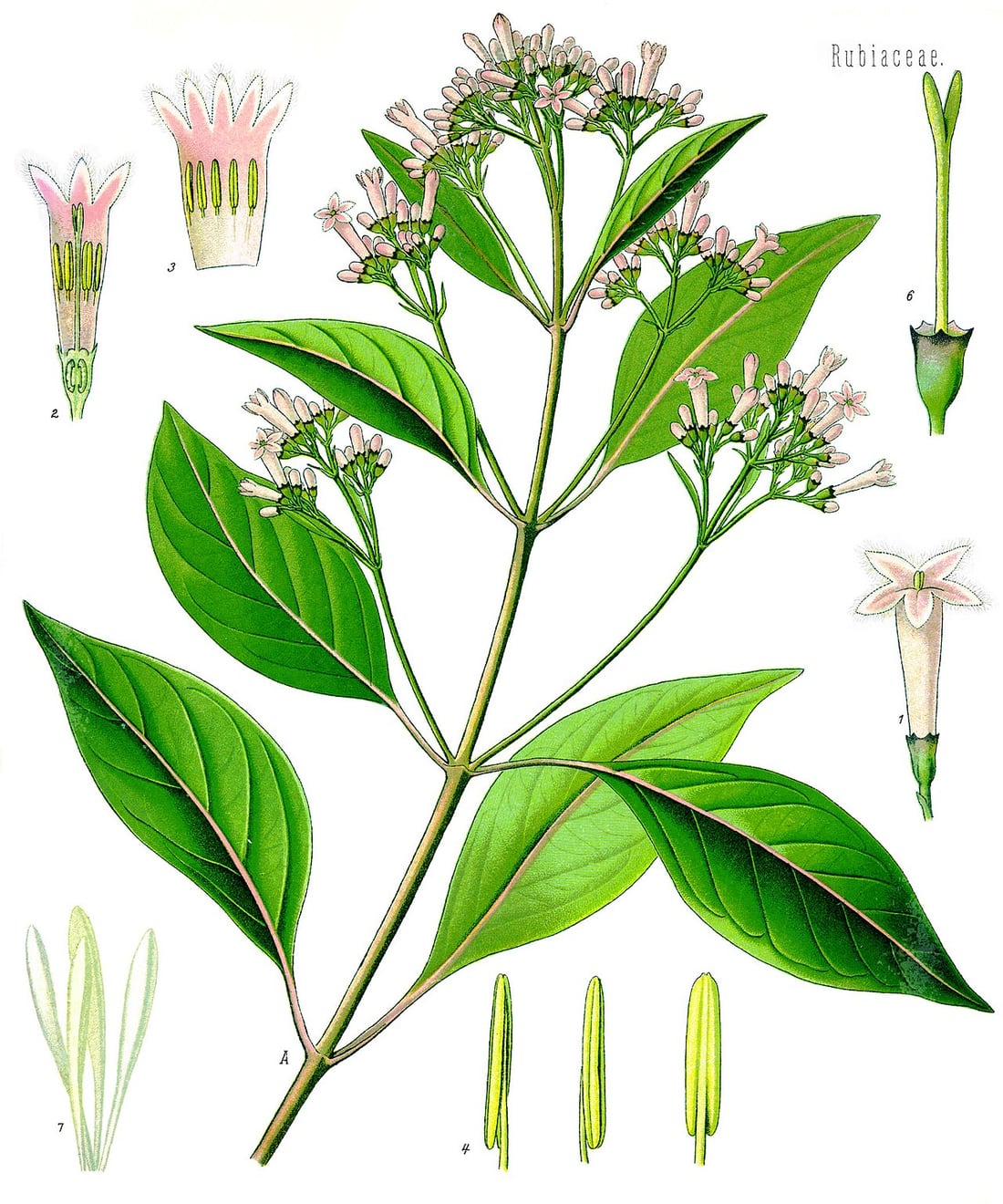
The bark of this Andean tree contains quinine, which treats malaria. In the 19th century it went with the army and the settlers into the tropics, and people took to macerating it in wine to mask its bitterness. Quinquina aperitifs multiplied. The Lillets' version blended wines of the region, fruit liqueurs and the bark. The house dates its birth to 1887; a historian of the Sauternes area places it in 1896. A tradition, repeated without any document, attributes it to the advice of a doctor back from Brazil, “le père Kermann” (old Kermann).
Kina Lillet travelled. Before the First World War it was served on the liners of the Compagnie Générale Transatlantique, according to the house's historian, Olivier Londeix. In 1911 the house had a stand at the Roubaix International Exhibition, under the name Kina Lillet.
In 1953 came Casino Royale, the first James Bond novel. In it Bond orders a cocktail of his own devising, made with gin, vodka and Kina Lillet, which he later names the Vesper, after the heroine. The novel gave the Gironde product a worldwide fame that no poster had ever achieved.
The product, however, changed. In 1962 Pierre Lillet launched a Lillet Rouge for the American market. In 1985 the family sold the house to Bruno Borie, and the recipe was revised, according to several authors with the Institut d'œnologie de Bordeaux: less cinchona, less bitterness, and less sugar according to one source. The word “Kina” disappeared, and Kina Lillet became Lillet Blanc. Since 2008 the house has belonged to the Pernod Ricard group; it still produces in Podensac.
Lillet is not a spirit but an aromatised wine. According to the house, it blends around 85% Bordeaux wines, mainly Sémillon for the white, with 15% fruit liqueurs, made from sweet and bitter orange peel macerated in alcohol, to which cinchona is added. The blend is matured for a few months in oak casks. It is 17% vol. The white is pale gold; orange dominates, with a light bitterness, less marked than that of the old Kina.
The legend set against the sources
The legend
As told by the house
Lillet presents itself as “the first and only aperitif wine of Bordeaux”. Recalling the years when its product was making its way into bars around the world, the house writes: “It was in this context that the Vesper was born: a Lillet-based cocktail taken up in Ian Fleming's novels.”
What the sources say
The first known text to name the Vesper is Casino Royale, in 1953; no earlier bar menu or advertisement mentions it. The words “taken up” presuppose a cocktail that already existed, which nothing establishes. A dedication from Fleming to his friend Ivar Bryce, cited by several authors but which we have not seen, would even make Bryce the author of the first Vesper.
The product in the novel is not today's: the reformulation of 1985 or 1986 reduced the share of cinchona, and the name changed — in 1986 according to Difford's Guide, as early as the 1970s according to others. The house has published no primary source on this point.
Substituting one for the other is therefore not enough: the 1953 formula is not known.
So, legend or history?
Before you read the answer, what do you think?
Choose a degree: it is the question a historian asks of every story.
Degree of certainty : Legend
Legend. The Vesper first appears in the 1953 novel.
Nothing indicates that the Vesper existed before Casino Royale: it was the novel that made Kina Lillet famous, not the house that supplied the novelist with a cocktail. The brand's story reverses the direction of the borrowing. It also passes over a fact of greater interest to history: the product Fleming named was reformulated and renamed, and disappeared under that name in 1985 or 1986.
How we know
Each date in this story refers to one of the sources below. The degree of certainty can be read from the pattern of the rule: solid for attested, dashed for probable, dotted for tradition, double for legend.
Key dates
-
1872 The house is founded in Podensac -
1887 Birth of Kina Lillet, according to the house -
1896 Birth of Kina Lillet, according to the Société historique du Sauternais -
1911 A Kina Lillet stand at the Roubaix Exhibition -
1962 Lillet Rouge for the American market -
1986 Kina Lillet becomes Lillet Blanc -
2008 Bought by Pernod Ricard
Attested- established by documents contemporary with the events.
Probable- plausible and consistent with the sources, without direct proof.
Tradition- handed down by the house or by local memory, with no document to confirm or refute it.
Legend- contradicted by the sources, or invented after the fact.
What remains uncertain
- The date of the first Kina Lillet: 1887 according to the house, 1896 according to the Société historique du Sauternais.
- The date of the reformulation (1985 or 1986) and of the dropping of the word “Kina”.
- Fleming's dedication to Ivar Bryce.
- The role of “le père Kermann”, known through tradition alone.
Sources
- Maison Lillet, La Maison Lillet , 2026.
- Olivier Londeix, Lillet, 1862-1985. Le pari d'une entreprise girondine , Presses universitaires de Bordeaux , 2002.
- Siriona, Société archéologique et historique du Sauternais et des Graves, 1896, naissance du Kina Lillet à Podensac , 2023.
- Difford's Guide, Kina Lillet .
- Pernod Ricard, Lillet , 2026.
- Bibliothèque numérique de Roubaix, Stand Kina Lillet, carte postale , 1911.