A collection is built before the walls
A museum is not a building : it is first a collection and a scholarly project. SpiLi's begins today — object by object, gift by gift, loan by loan. Everything that comes in now will be in the first exhibition, in 2028.
Six families of objects
The collection documents the material culture of spirits: making, packaging, selling, serving, drinking, telling.
Bottles & flasks
Historic pieces, vanished shapes, period bottlings, limited series documenting how the container and the label evolved.
Stills & equipment
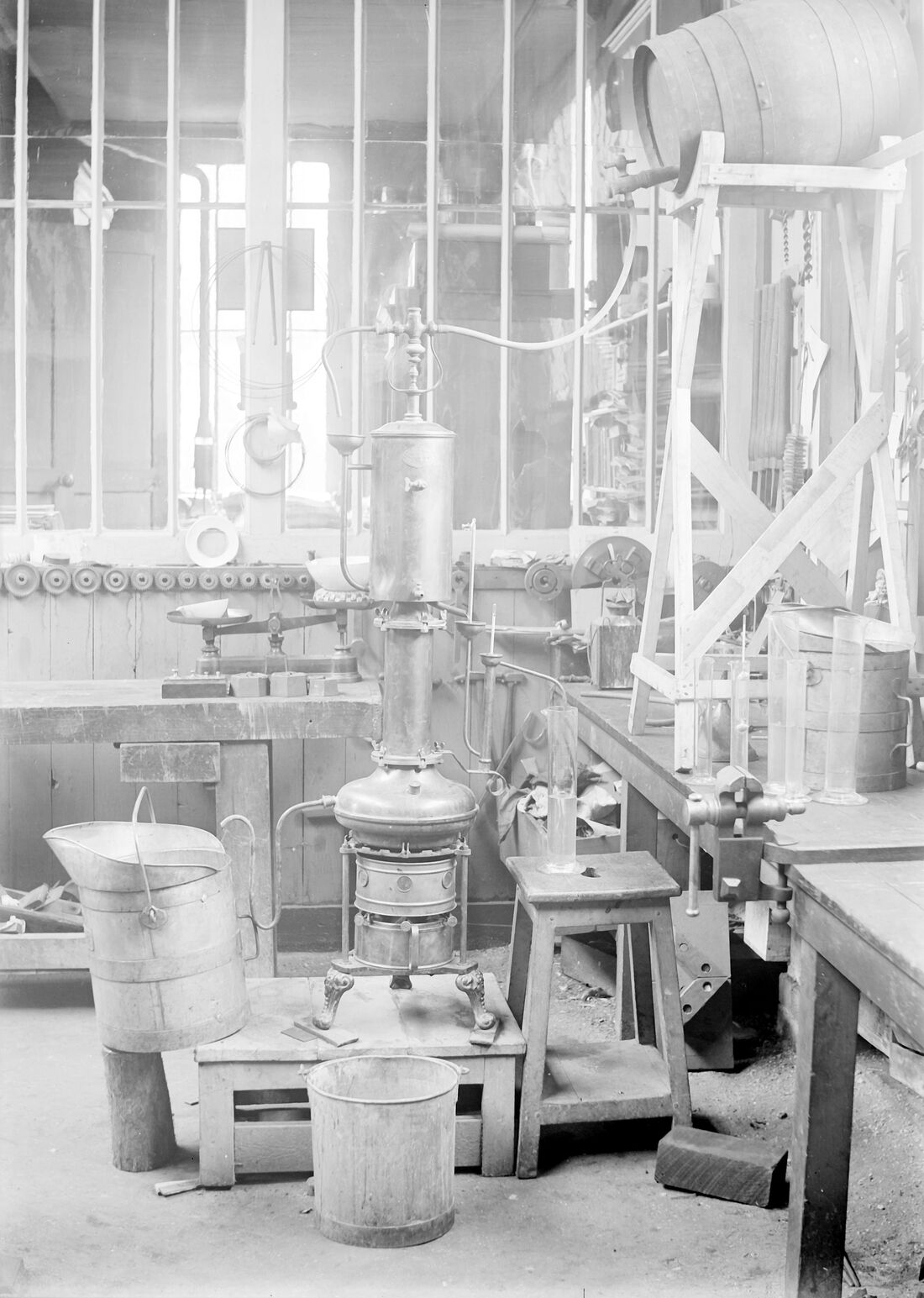
Complete stills or parts of them, vats, cellar tools, measuring instruments, cooperage equipment.
Posters & advertising
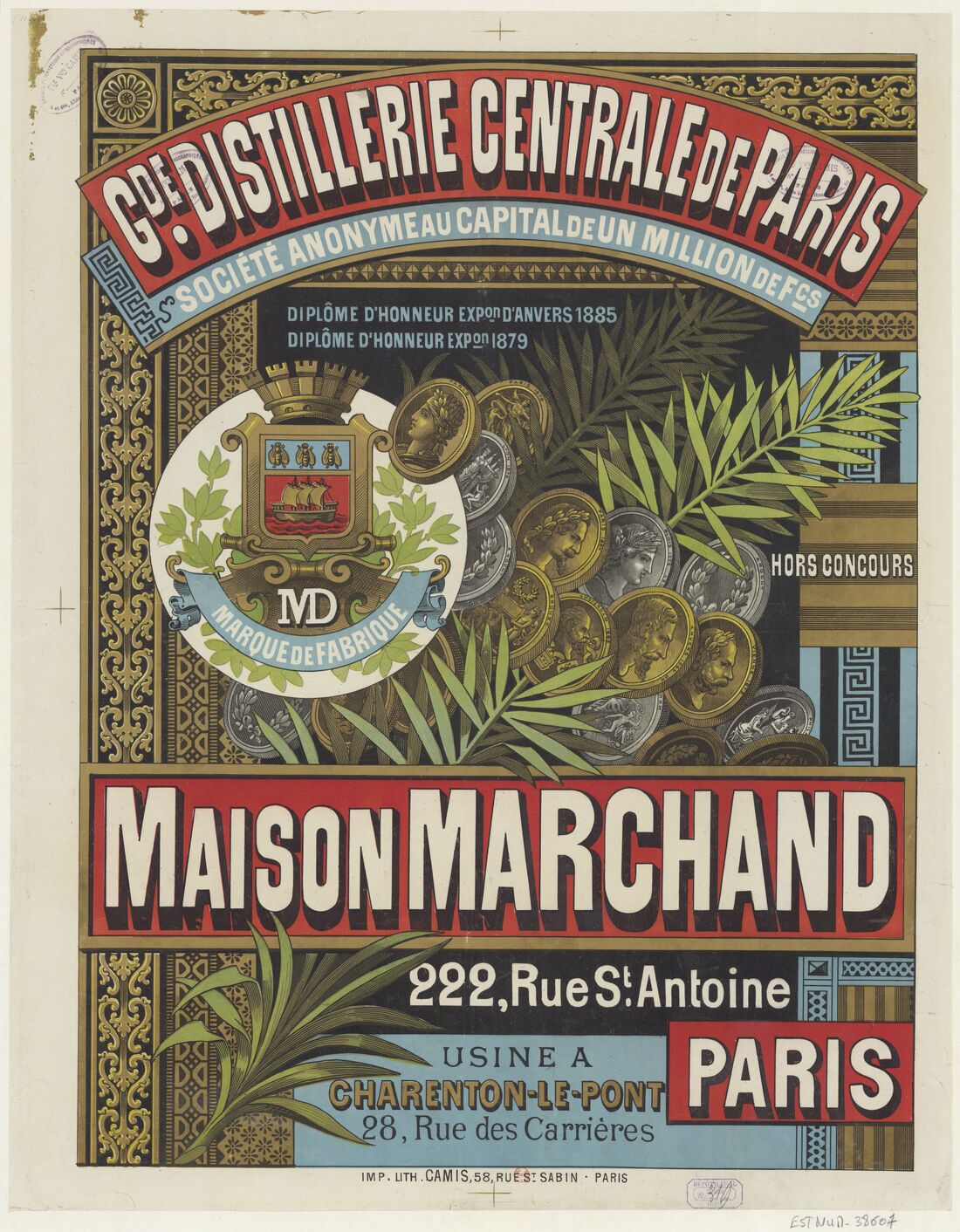
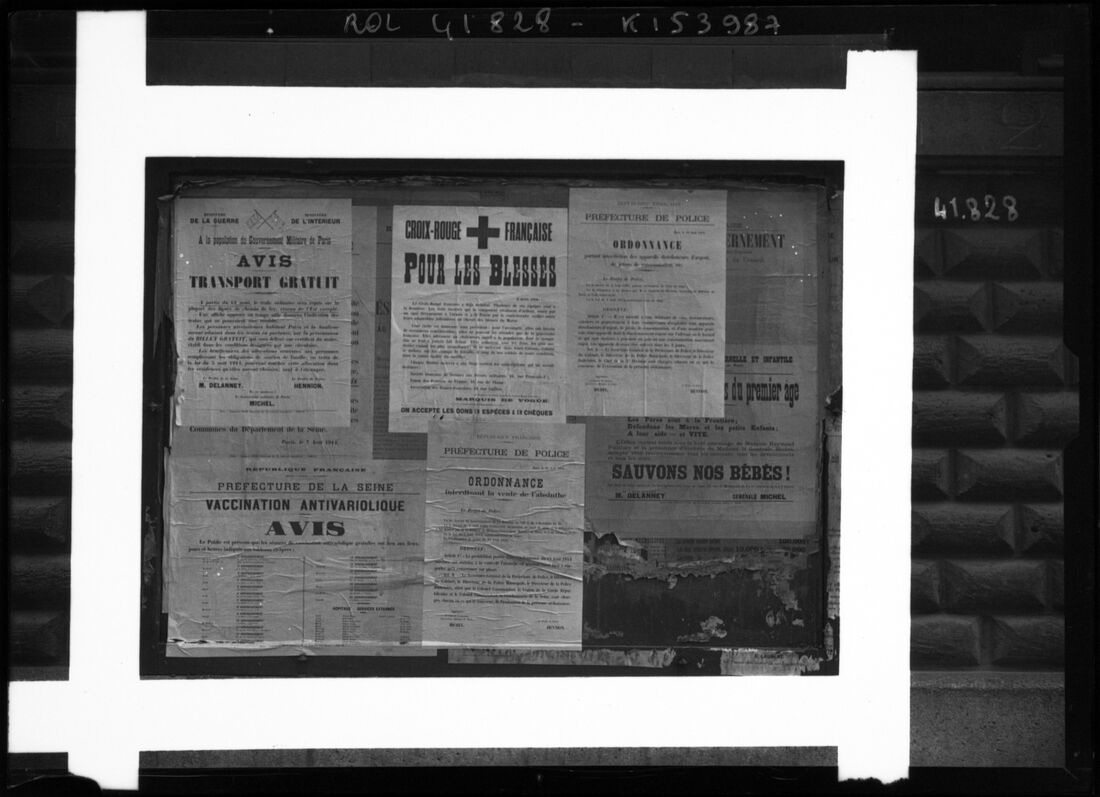
Lithographed posters, old point-of-sale displays, promotional objects — a major graphic heritage, particularly from the Belle Époque.
Archives & documents
Distillery ledgers, commercial correspondence, catalogues, technical manuals, photographs of works and harvests.
Glassware & the art of the bar
Tasting glasses, decanters, shakers, bar tools, counter furniture, cocktail recipe books.
Testimony
Filmed accounts by distillers, cellar masters, coopers and bartenders — the intangible heritage, and the most fragile of all.
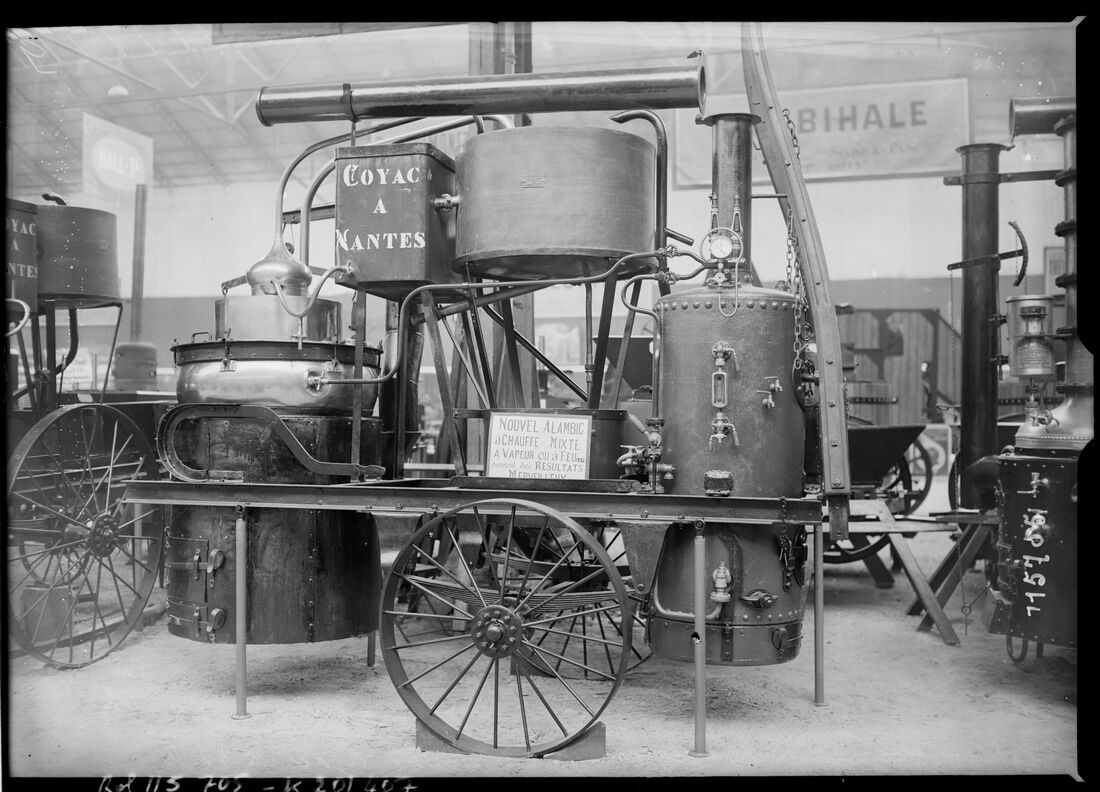
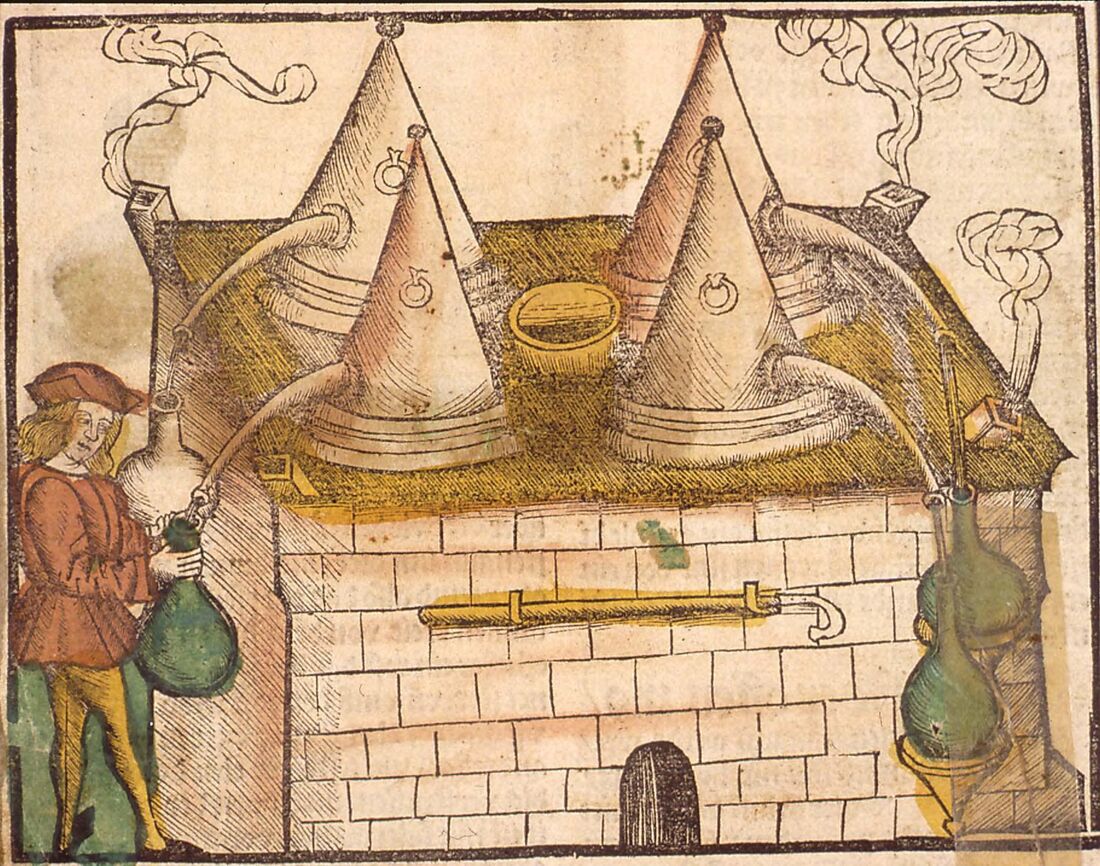
The collection is still to be built : none of these images belongs to it. They are archive documents, arranged under the family they answer to — the apparatus, the advertisement, the workshop, the archive.
Stills & equipment
Posters & advertising
Archives & documents
Archives & documents
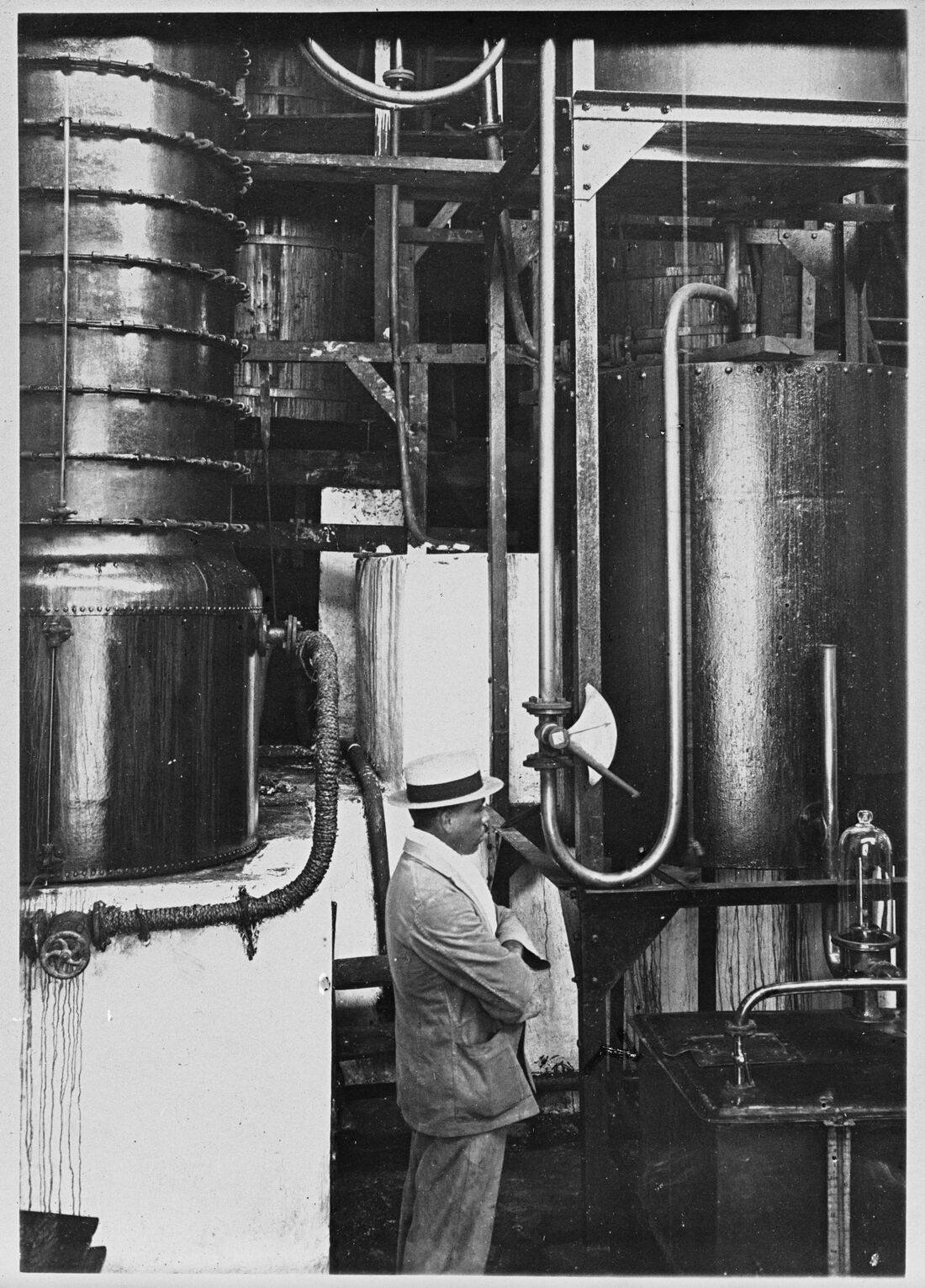
Stills & equipment
Posters & advertising
The pieces we are looking for first
These objects are missing from the story the museum wants to tell. If you hold one — or know where to find one — write to us.
A small-capacity still
Charentais, pot or short-column, complete and transportable — the centrepiece of the teaching distillation space.
Absinthe equipment and bottles from before 1915
Fountains, spoons, dosing glasses, original bottles: documenting a heritage erased by prohibition.
Original posters from French distilleries
Late 19th to mid-20th century, all regions and all categories, including houses that no longer exist.
Archives of closed distilleries
Ledgers, plans, correspondence, photographs — the memory of houses that no longer exist is the most endangered.
Objects from the overseas territories and from cane
Rum-distillery tools, mills, documents from Caribbean and Réunion distilleries.
Bar books from before 1950
Cocktail manuals, bartenders' notebooks, menus from historic bars, in French as in English.
Three ways to contribute to the collection
The gift
You hand an object over to the project for good. It is inventoried, conserved and credited in your name (or anonymously, as you choose). A tax receipt can be issued once public-interest status is recognised.
The loan or deposit
You remain the owner; the object is exhibited or conserved for a period agreed by contract. The route collectors and houses usually prefer.
The tip-off
You own nothing, but you know where an important piece is — a distillery attic, an estate, an archive at risk. This is often the most valuable contribution of all.
The first pieces
The inventory is being built and will be published here as it grows, with the names of donors and lenders who wish to appear. Objects are recorded in the Atlas, the museum's documentary database.
First inventoried piece — the seat is still free.
Awaiting
Awaiting
Do you hold a piece ?
Describe it to us in a few lines — a photograph is enough to begin. We come back to you quickly.
Offer a piece