First condensation devices
Condensate-collecting vessels unearthed in Mesopotamia are read as devices for extracting aromatic substances. They do not distil alcohol: they serve perfumes and medicinal preparations.
This page was machine-translated from French. It has not been reviewed by a native speaker: the French version prevails. Read the French version
Distilling is a gesture more than two thousand years old. This timeline retraces its turning points — the apparatus that changes, the product that is born, the law that decides, the society that takes alarm. Every date shown carries its source and its degree of certainty, because much of what is written about the origin of spirits comes from brand stories rather than from archives.
No milestone for this filter.
No milestone for this filter.
No milestone for this filter.
No milestone for this filter.
No milestone for this filter.
Condensate-collecting vessels unearthed in Mesopotamia are read as devices for extracting aromatic substances. They do not distil alcohol: they serve perfumes and medicinal preparations.
Greco-Egyptian alchemists describe and refine distilling apparatus. Several devices are attributed to Mary the Jewess, among them the bain-marie that still bears her name. Distilling becomes a written, transmissible technique.
His treatises contain the oldest known detailed descriptions of distilling apparatus, with head and condensation tube. The general form of the still is settled for more than a thousand years.
Jabir ibn Hayyan, then al-Kindi and al-Razi, refine distilling, applied chiefly to perfumes, essences and pharmacopoeia. The word « alembic » comes from the Arabic al-inbīq, itself borrowed from the Greek ambix.
The idea that alcohol was « invented » in the Arab world is inaccurate: it is the apparatus and the method that were perfected there, with alcoholic use developing later in the West.
In the orbit of the school of Salerno appear the first clear Western mentions of a flammable distillate of wine. This is the decisive turn: distilling ceases to be reserved for perfumes and begins to produce alcohol.
In the Atlas Wine spirits
The Bolognese physician describes a process of successive distillations yielding a markedly more concentrated alcohol. Rectification, a principle still central today, enters the written record.
Arnaldus de Villa Nova and his successors spread aqua vitae, the water of life, presented as a panacea that prolongs existence. The vocabulary of the remedy will accompany spirits for centuries.
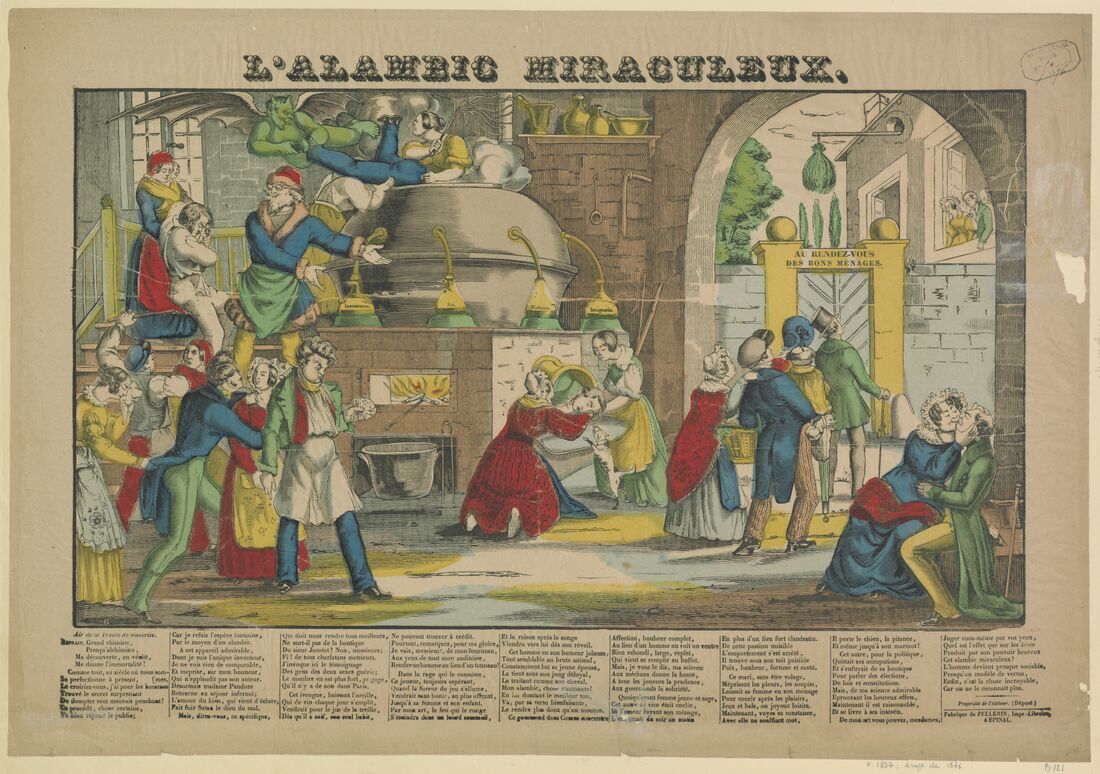
A treatise attributed to prior Vital Dufour lists the therapeutic virtues of a wine spirit. The text is regularly presented as the birth certificate of armagnac.
The text attests to a practice of medicinal distillation in the South-West, not to the birth of an identified regional spirit. Making it the birth date of armagnac is a commercial shortcut.
In the Atlas Armagnac
The Franciscan theorises rectified alcohol as a fifth element, the quintessence, able to preserve and extract active principles. The word « quintessence » comes to us from there.
The Annals of Clonmacnoise report the death of a clan chief after an excess of aqua vitae. It is, to date, the oldest known written mention of eau-de-vie in Ireland — and already an account of abuse.
The Scottish Exchequer rolls record the delivery of eight bolls of malt to Friar John Cor « to make aqua vitae ». It is the oldest written trace of whisky production in Scotland.
This is the oldest surviving written mention, not the date of invention: the quantity of malt points to a production already established.
In the Atlas Whisky
Hieronymus Brunschwig publishes in Strasbourg an illustrated treatise on the art of distilling. Print takes the technique out of the circle of alchemists and monasteries: it becomes shareable knowledge.
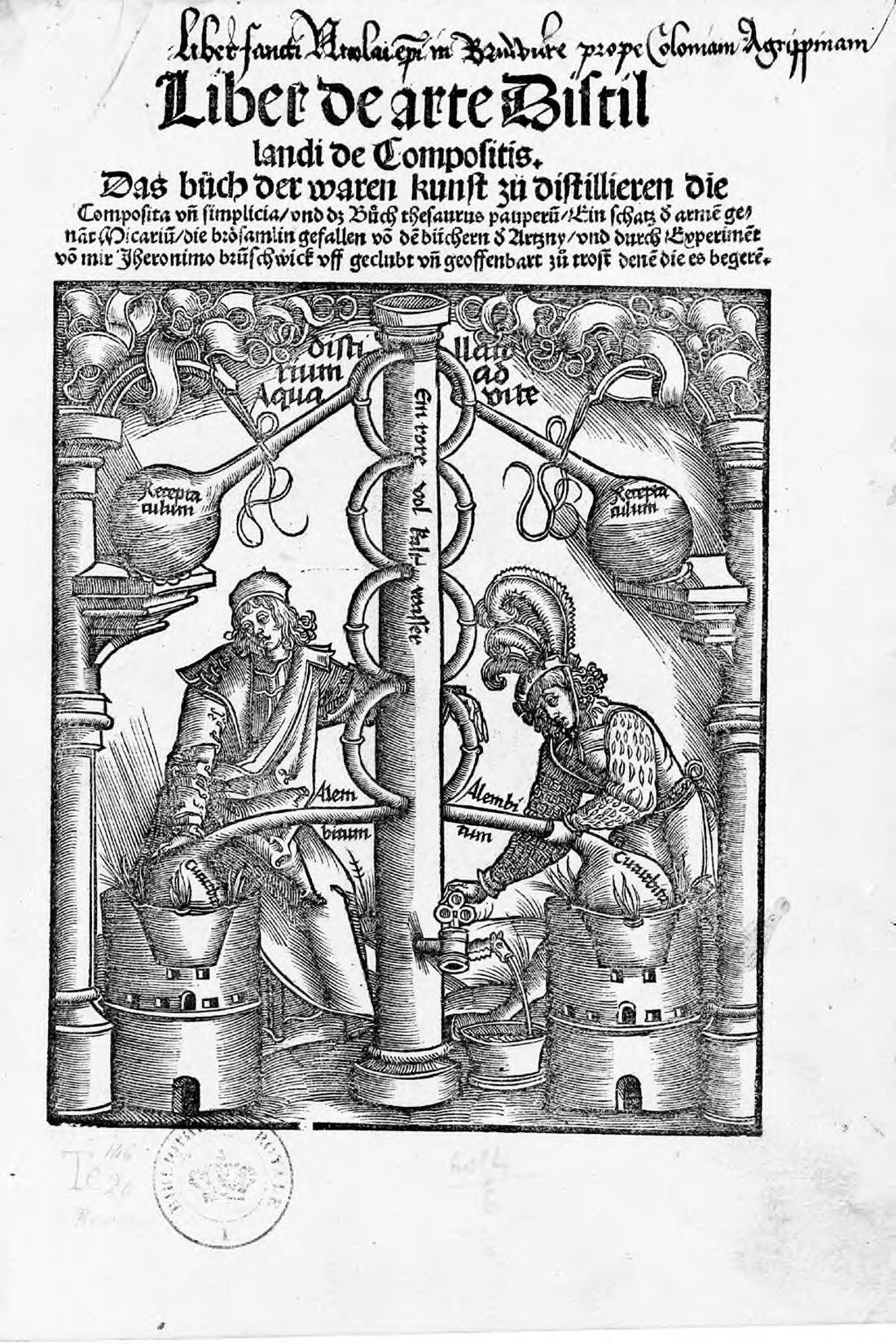
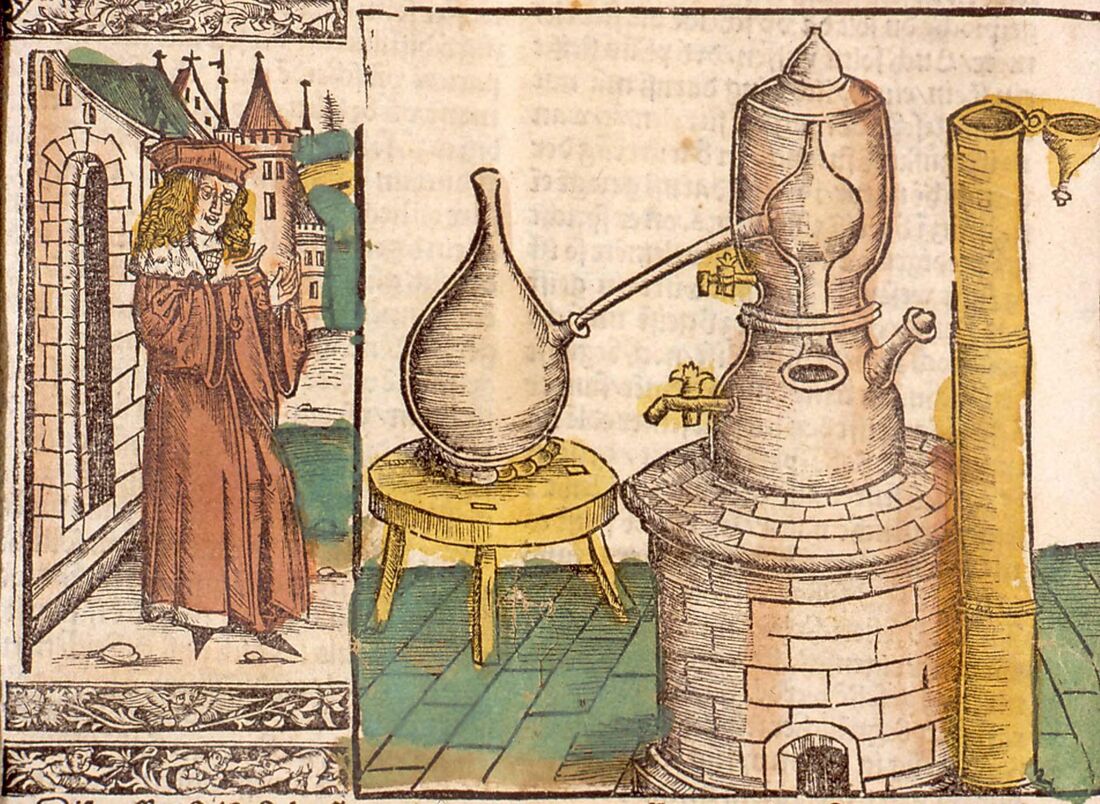
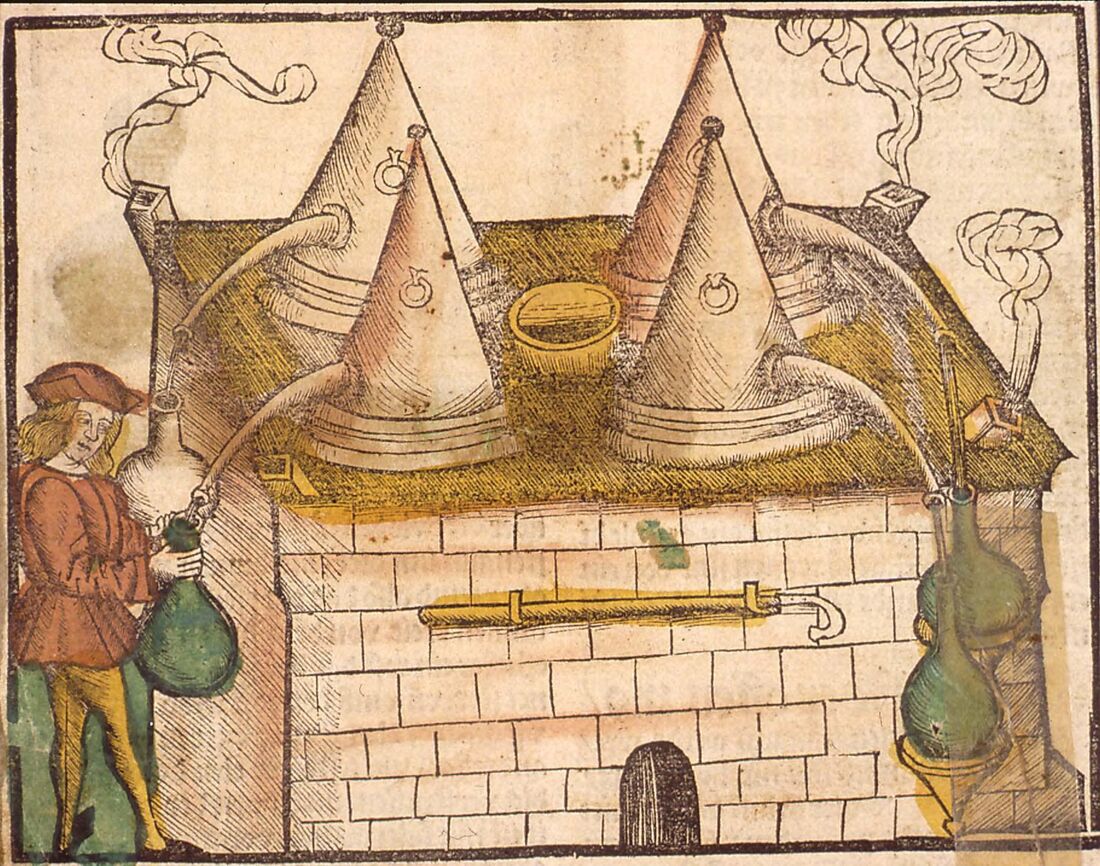
Distillers in the Low Countries produce a grain spirit flavoured with juniper berries. It will give rise to genever, and then to gin.
The attribution of the invention of gin to the physician Franciscus Sylvius is false: he was born in 1614, when distilled genever had already been attested for several decades.
In the Atlas Genièvre
Distilling the by-products of sugar cane develops in the Caribbean colonies. Rum is born of the sugar economy and of the slave trade: its history is inseparable from slavery, and the museum will have to treat it as such.
In the Atlas Rum
In the Charente, double distillation in a copper pot still settles into place and makes it possible to produce a fine spirit, fit for export and for ageing. The method still structures the cognac appellation.
In the Atlas Cognac
Gin consumption explodes in the poor districts of London, causing a major health and social crisis. A series of Gin Acts, up to that of 1751, attempts to bring it back under control. It is the first great episode of modern alcohol regulation.
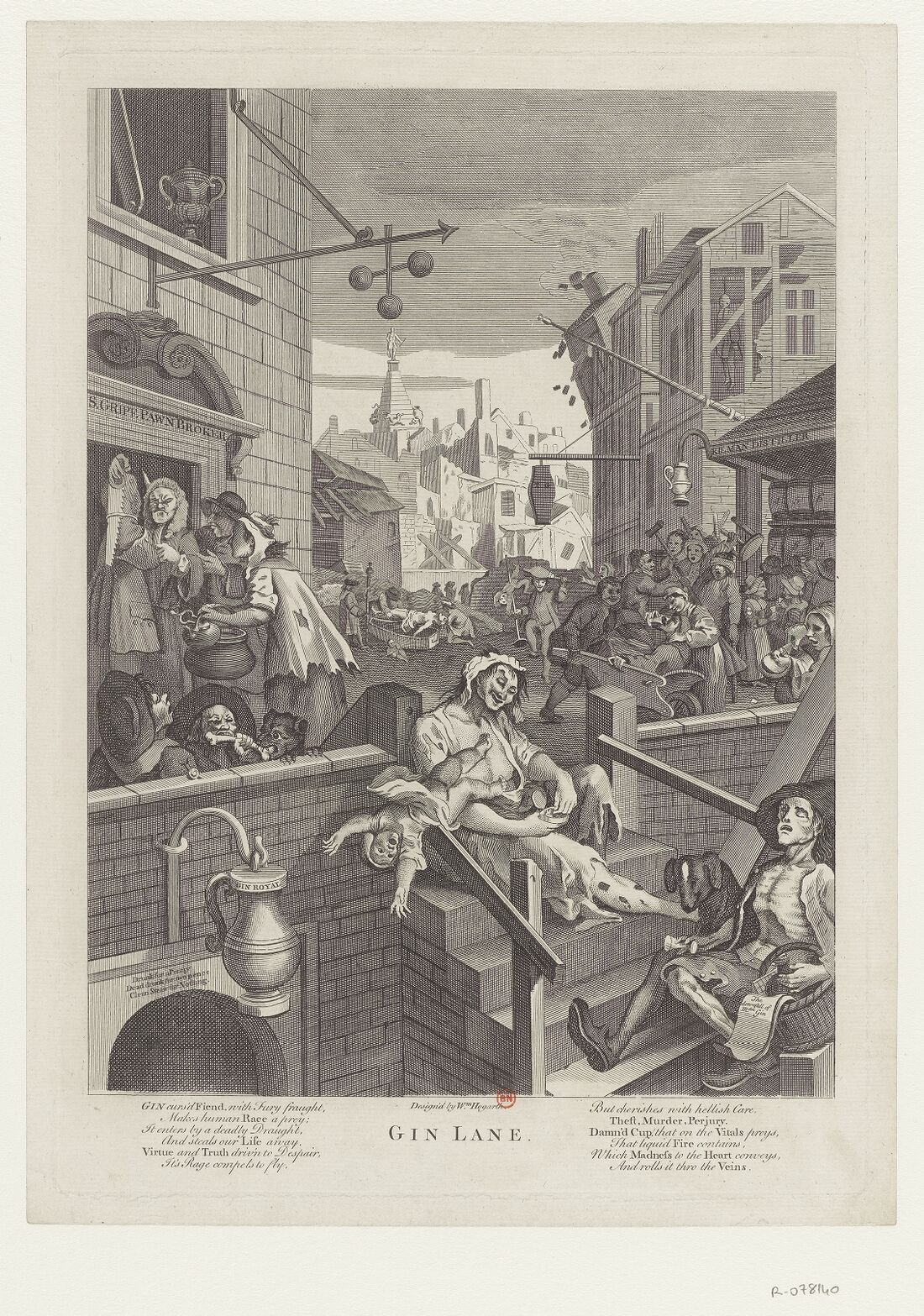
In the Atlas Gin
Federal taxation of distillers provokes an uprising in Pennsylvania. The episode durably establishes the link between distilling, taxation and political protest in the United States.
In the Atlas Whisky
Robert Stein, then Aeneas Coffey, develop and patent an apparatus working continuously, producing a more neutral and far cheaper alcohol. It is the major technical break in the history of spirits: it durably separates industrial alcohol from traditional eau-de-vie.
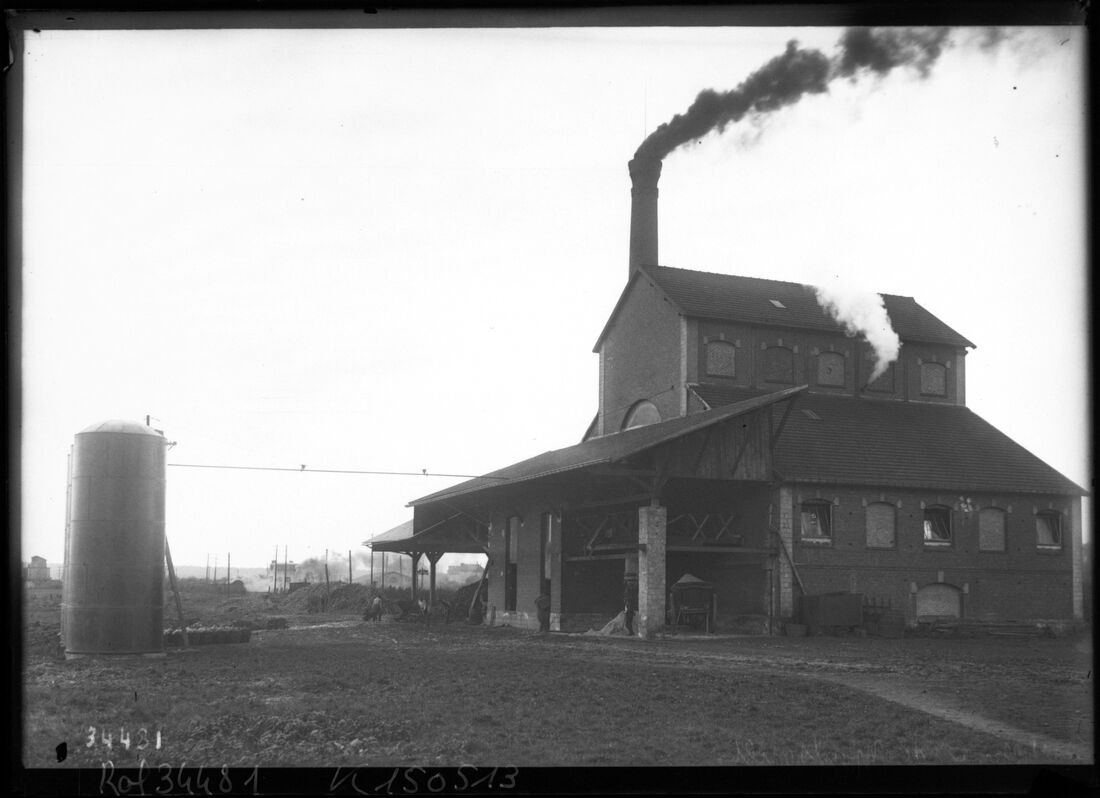
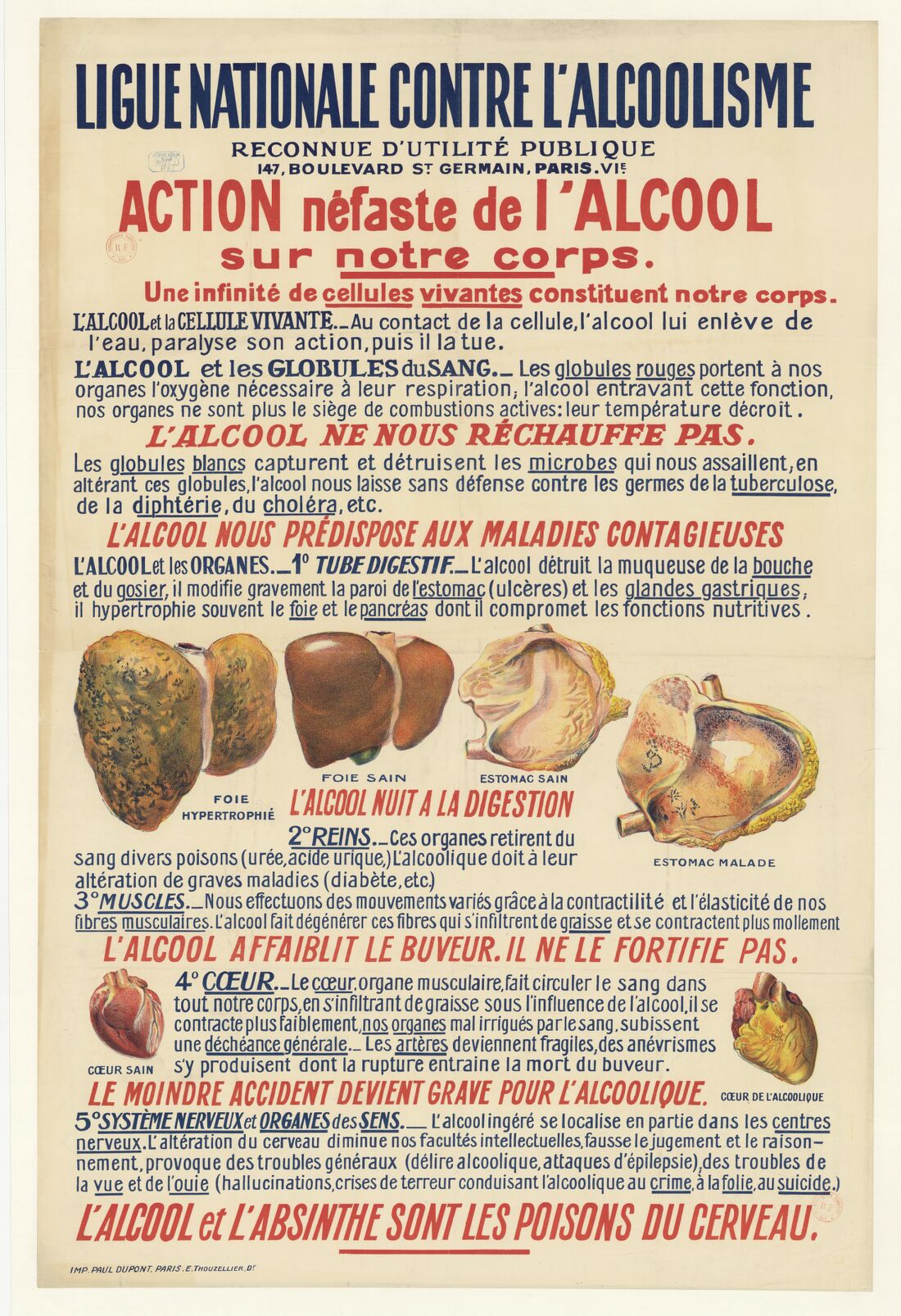
Absinthe becomes the emblematic drink of French urban life, carried by falling prices and by the cafés. It will also be the first to attract concentrated public-health disapproval.
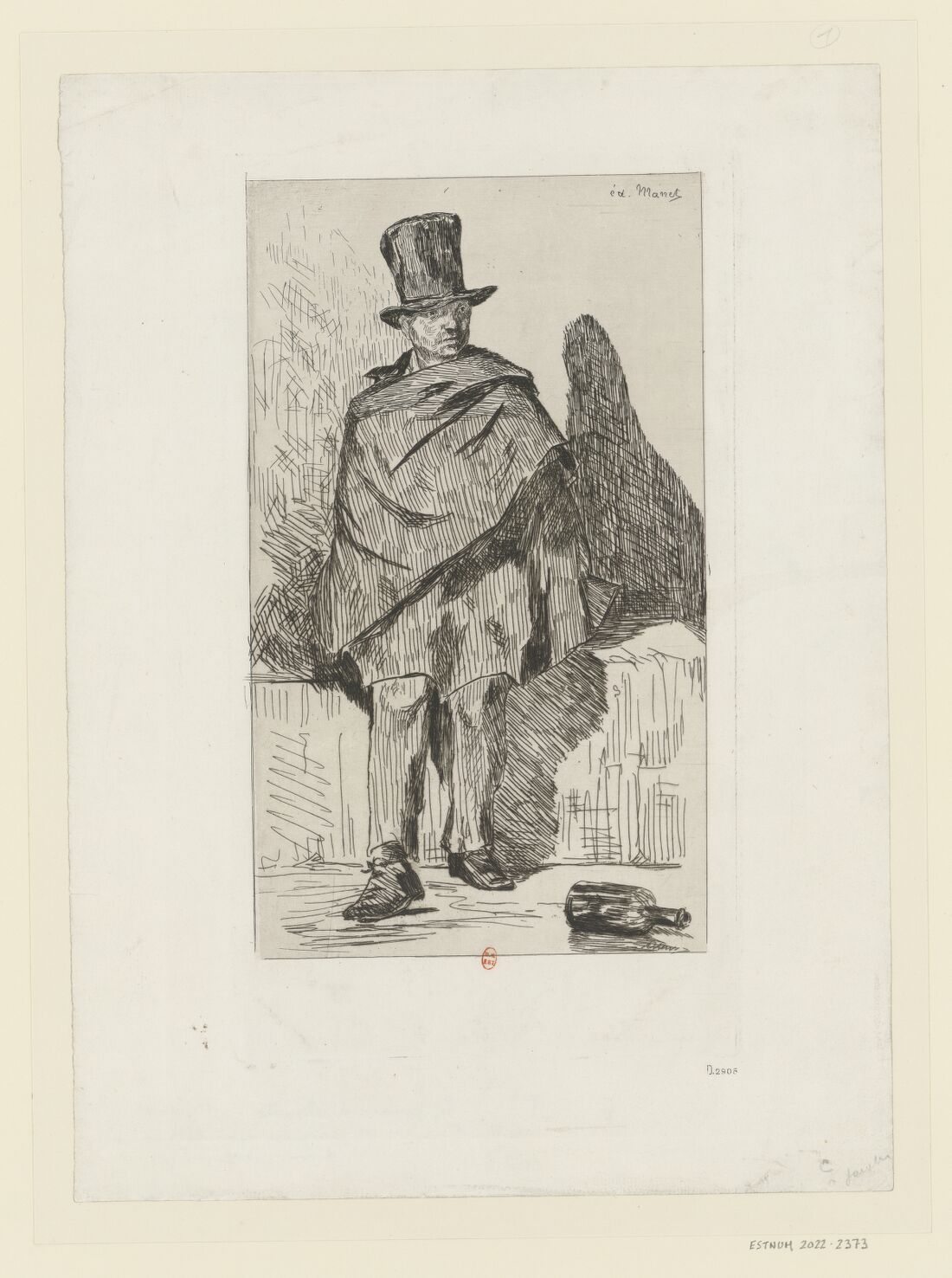
In the Atlas Anise spirits & absinthe
The aphid ravages the European vineyard. Production of cognac and armagnac collapses, opening a lasting commercial space for Scotch whisky and grain spirits. A biological accident redraws the geography of spirits.
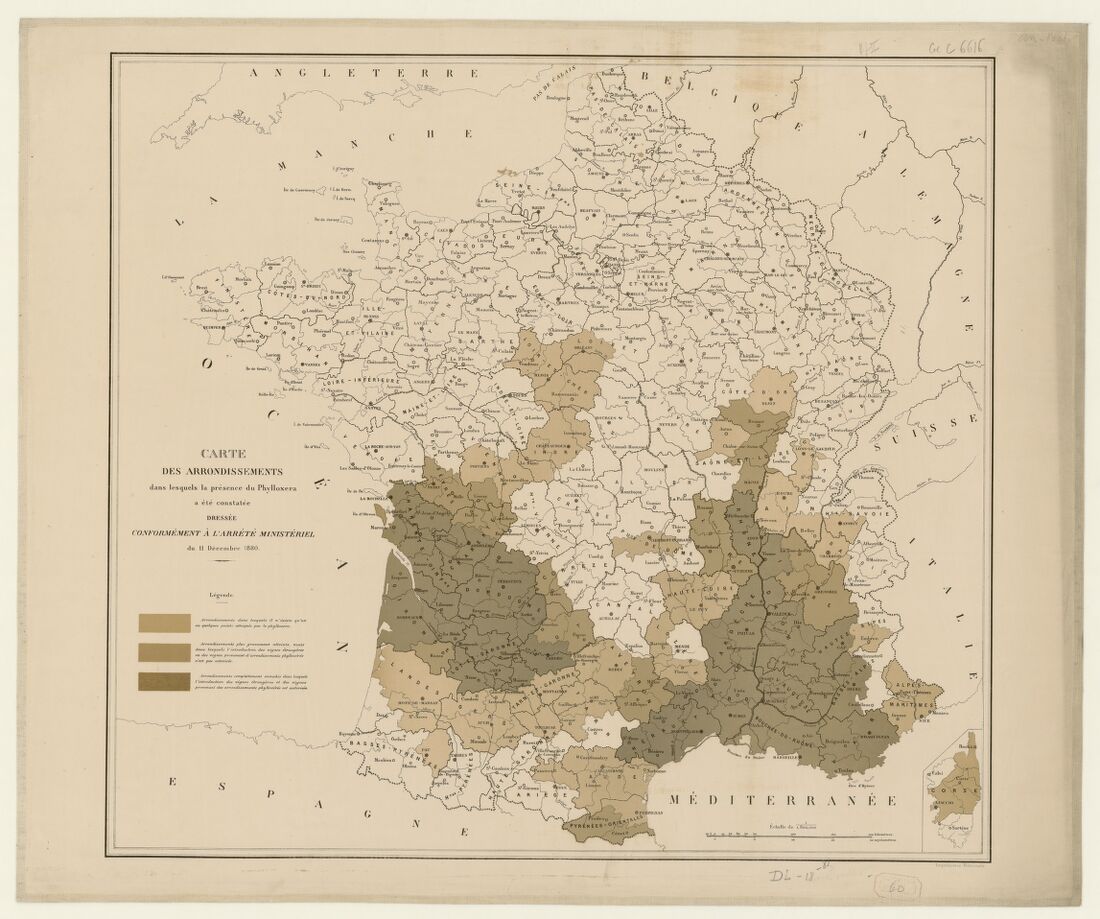
France delimits by decree the production areas of cognac and armagnac. It is the founding act of French appellation law applied to spirits, three decades before the AOC system.
A British royal commission settles a major dispute: whisky may be produced in a continuous column from grain, and not only in a pot still from malt. The legal definition consecrates industrialisation.
In the Atlas Whisky
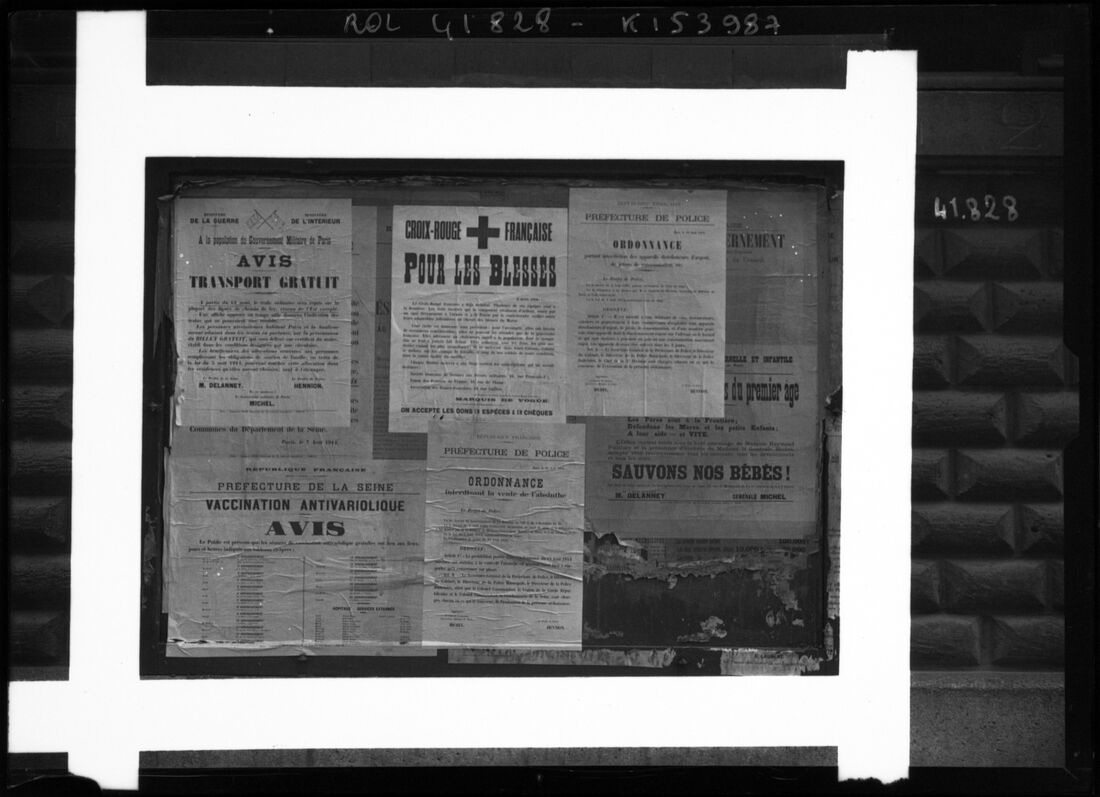
The law of 16 March 1915 bans the manufacture and sale of absinthe. The hygienist movement, the temperance leagues and the wine lobby converge. It will not be permitted again until the end of the twentieth century.
In the Atlas Anise spirits & absinthe
The federal ban on producing and selling alcohol in the United States destroys one industry, gives birth to a clandestine one, and durably shifts flows towards Canada, the Caribbean and Scotland. Its repeal in 1933 leaves behind a distribution system still in force.
The new regime of controlled designations of origin, born in 1935 with the national committee that would become the INAO, is applied to spirits. The legal link between a product, a place and a body of craft is sealed.
In the Atlas Eau-de-vie de Cognac stop 01 · One spirit, two départements
The Norman cider spirit obtains its controlled designation of origin, setting apart the Pays d'Auge area and its double distillation in a pot still.
In the Atlas Calvados Pays d'Auge
The first, and for a long time the only, rum in the world protected by a controlled designation of origin. The recognition consecrates rhum agricole, distilled from pure cane juice, as a terroir product in its own right.
In the Atlas Rhum de la Martinique stop 02 · Martinique
Regulation (EC) No 110/2008 establishes the categories, the definitions and the regime of geographical indications for spirits at European level. One word now covers one reality in every member state.
After more than a century of industrial concentration, hundreds of craft distilleries open in Europe and North America. The movement brings back a diversity of craft — and puts to the museum the question of documenting a heritage in the making.
Regulation (EU) 2019/787 replaces the 2008 text, recasts the categories and strengthens the protection of geographical indications. It is the law in force today.
The eras occupy equal widths: the scale is not linear, otherwise twenty centuries of alchemy would be crushed by the last hundred years. Milestones are ordered chronologically within each era.
The history of spirits is saturated with founding dates that rest on no archive. They were forged, often in good faith, by houses seeking to date their own antiquity. A museum cannot take them up as they stand — but neither can it ignore them, for they are part of the cultural history of the trade.
SpiLi's choice is to show everything, distinguishing three regimes of truth: what is attested by a primary source, what is probable in the light of converging evidence, and what belongs to reported tradition. Where a widely held claim is inaccurate, a correction accompanies it.
This corpus is a seed. No milestone has yet been validated by a scholarly board — the board is still to be formed. It is precisely one of the tasks for which the museum is now looking for experts.