17 May 2011
17 May 2011: the 1915 law against absinthe is repealed
Absinthe was not rehabilitated by a great debate. Its prohibition law vanished in Article 175 of a text simplifying the law, twenty-three years after a decree had already found a way round it.
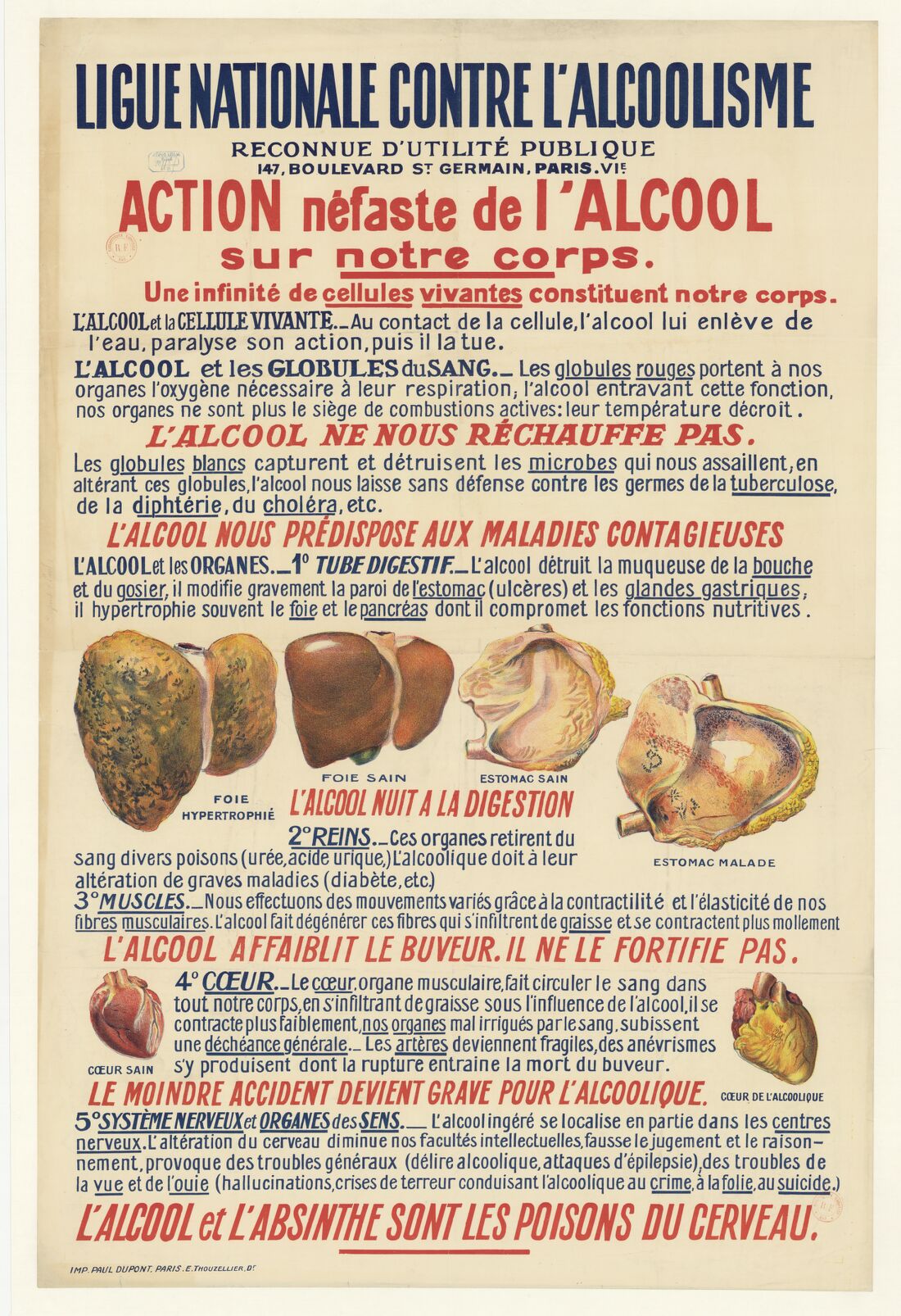
On 17 May 2011, a law “de simplification et d'amélioration de la qualité du droit” (on simplifying and improving the quality of the law) was promulgated. It ran to two hundred articles and tidied up texts of every kind. Its Article 175, in a chapter devoted to the health and social sectors, repealed, among others, the law of 16 March 1915 that had banned the manufacture, sale and circulation of absinthe. Ninety-six years of prohibition came to an end without ceremony.
The door had long been ajar. Decree no. 88-1024 of 2 November 1988, issued to apply the 1915 law, had defined what a “liqueur similaire à l'absinthe” (liqueur similar to absinthe) was — and was therefore banned — by chemical thresholds: thujone, the molecule from the plant blamed for the drink's ill effects, but also fenchone and pinocamphone. Below those levels, a drink distilled with grand wormwood became legal again. It simply could not carry the forbidden name. And so “spiritueux aux plantes d'absinthe” (spirits made with absinthe plants) began to appear.
European law did the rest. The 2008 regulation on flavourings sets the maximum thujone content of alcoholic beverages made from plants of the genus Artemisia at 35 milligrams per kilo, from 20 January 2011. A decree of 2010 brought the French thresholds into line. The 1915 law now protected little more than a word. In 2011, the word returned to labels, and Pontarlier could claim its own.
The ban itself is told in the entry for 16 March 1915, and in the exhibition The Green Fairy.