16 March 1915
16 March 1915: France bans absinthe
The law did not come all at once. It closed seven months of orders and decrees issued in the urgency of war, and it went further than any of them.
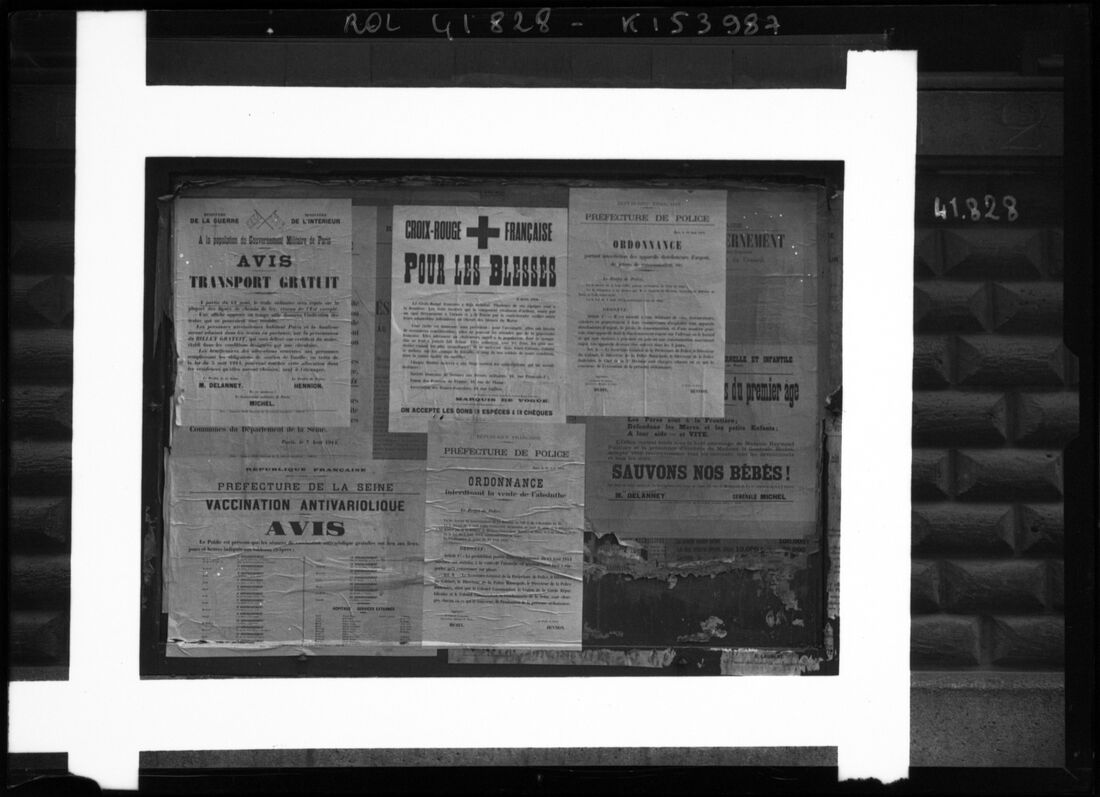
Absinthe was not banned in a day. As soon as war broke out, in August 1914, most prefects issued orders prohibiting its retail sale in their département. In Paris, the ordinance was posted beside the mobilisation notices.
On 7 January 1915, a decree extended the ban to wholesale and to circulation. But a decree issued during hostilities had to be ratified by Parliament, and was valid only for the duration of the war. The government therefore tabled a bill to make the measure permanent.
The text promulgated on 16 March 1915 announces, from its very title, the “interdiction de la fabrication, de la vente en gros et au détail, ainsi que de la circulation de l'absinthe et des liqueurs similaires” (prohibition of the manufacture, of the wholesale and retail sale, and of the circulation of absinthe and similar liqueurs). Parliament had added what the decree lacked: manufacture. In Pontarlier, the capital of the drink, the distilleries had to turn to other production.
They received nothing. In 1921, the Conseil d'État rejected a compensation claim from one of the firms affected: the law, it held, was “purement prohibitive et répressive” (purely prohibitive and repressive) and promised no compensation.
The law would remain in force for nearly a century, until its repeal in 2011. The story of this fall is that of the exhibition The Green Fairy. Anise, meanwhile, soon took absinthe's place: that is the story of why pastis turns cloudy.