N1 · category
Liqueurs & crèmes
- Family
- Liqueur
- Raw materials
- Plants & botanicals · Fruit
- Place of origin
- Europe
Colour: Plants, as on the Atlas. Each neighbouring entry leads to its page; the inset, top right, opens the wide view.
A spirit flavoured with plants, fruit or spices, and then sweetened: it is the sugar that makes the liqueur, as a general rule at least 100 grams per litre. The family runs from the great herbal liqueurs, born in monasteries and apothecaries' shops, to fruit crèmes such as crème de cassis.
Many liqueurs began as remedies: herbal elixirs prepared by apothecaries or monks, sold for their supposed virtues, before becoming drinks.
How it is made
The flavour is obtained in three ways, often combined. The plants or fruit are steeped cold in alcohol for weeks; or they are infused; or the alcohol in which they have steeped is distilled, keeping only the most volatile aromas. Sugar, water and, depending on the recipe, plants that give colour are then added.
A “crème de” contains at least 250 grams of sugar per litre, and crème de cassis more than 400: hence their thick texture.
A story
In the 17th and 18th centuries, a host of liqueurs made by steeping fruit or plants in spirit, often at home, were called “ratafias”. In the 19th century, liqueur makers turned them into branded products, and several great liqueurs gave themselves a monastic origin.
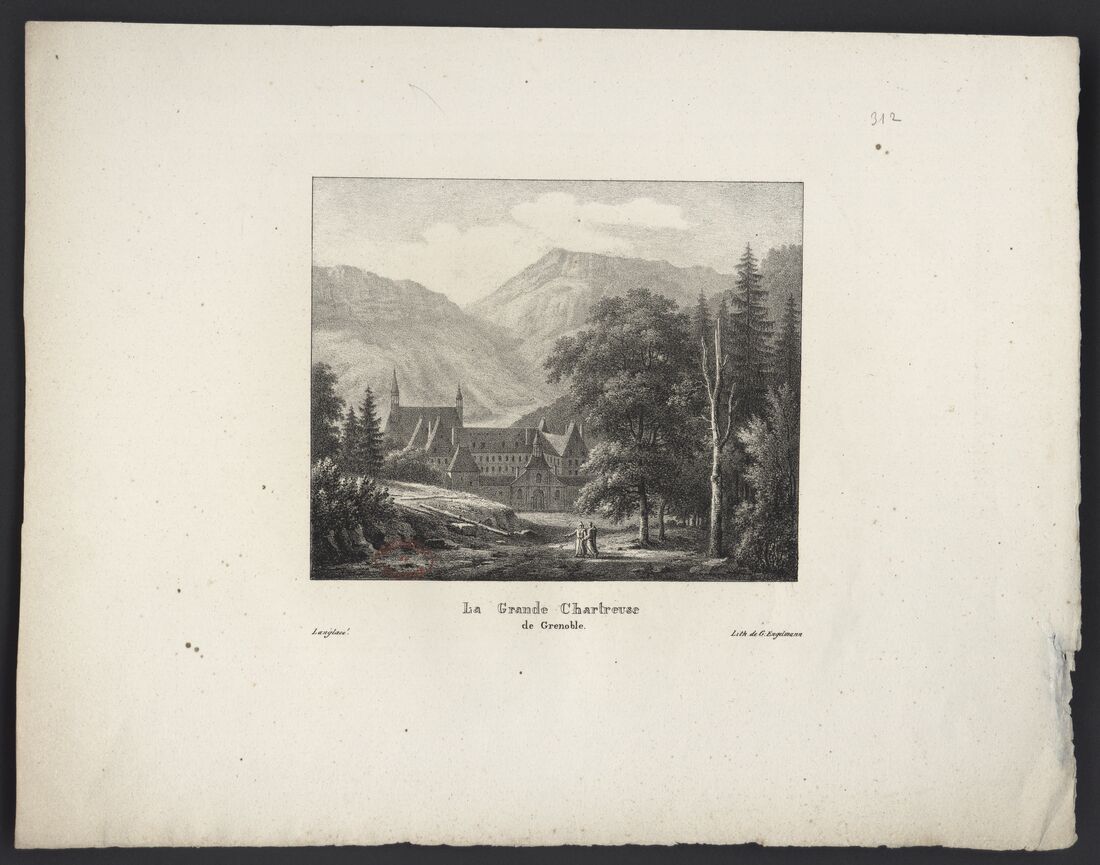
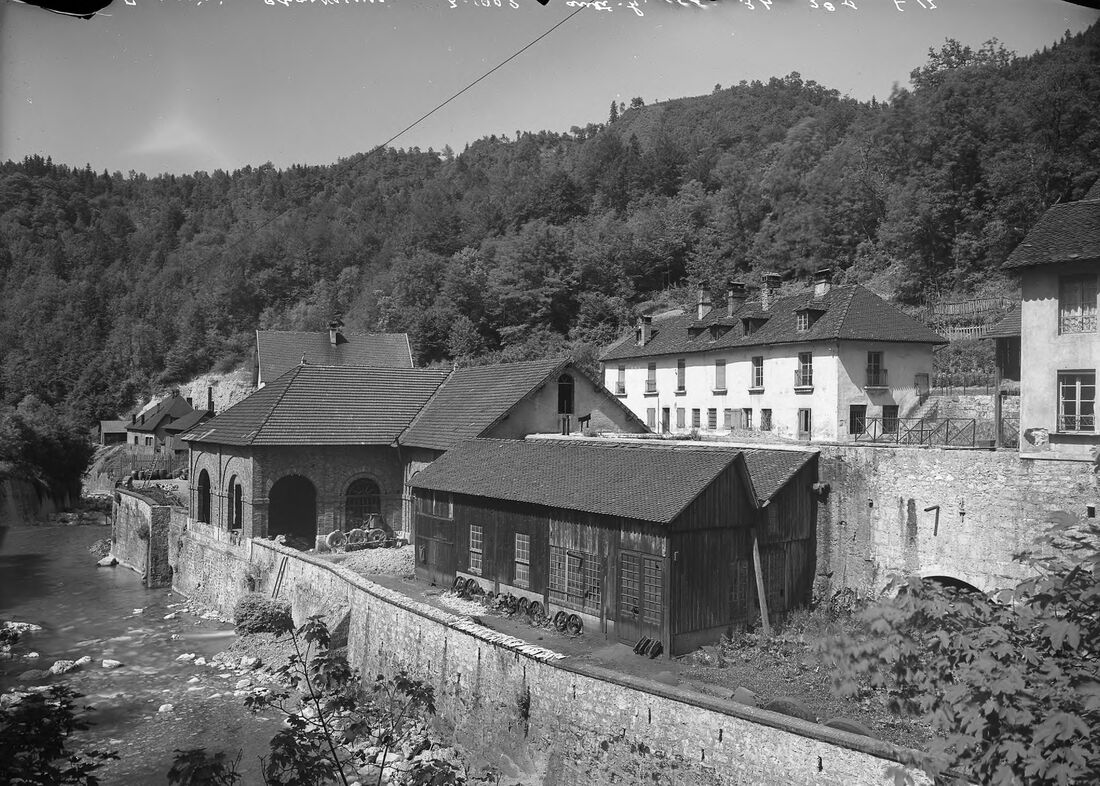
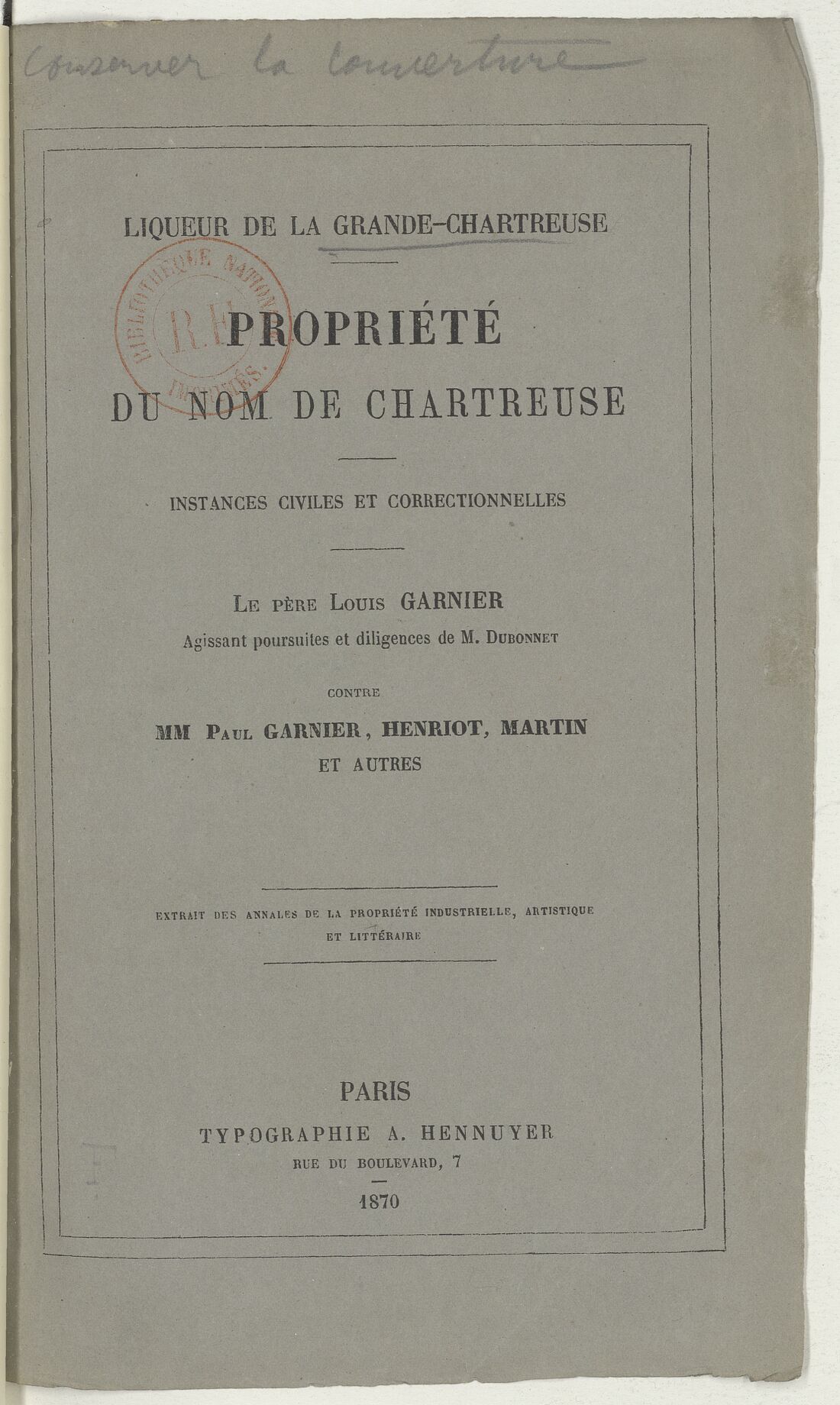
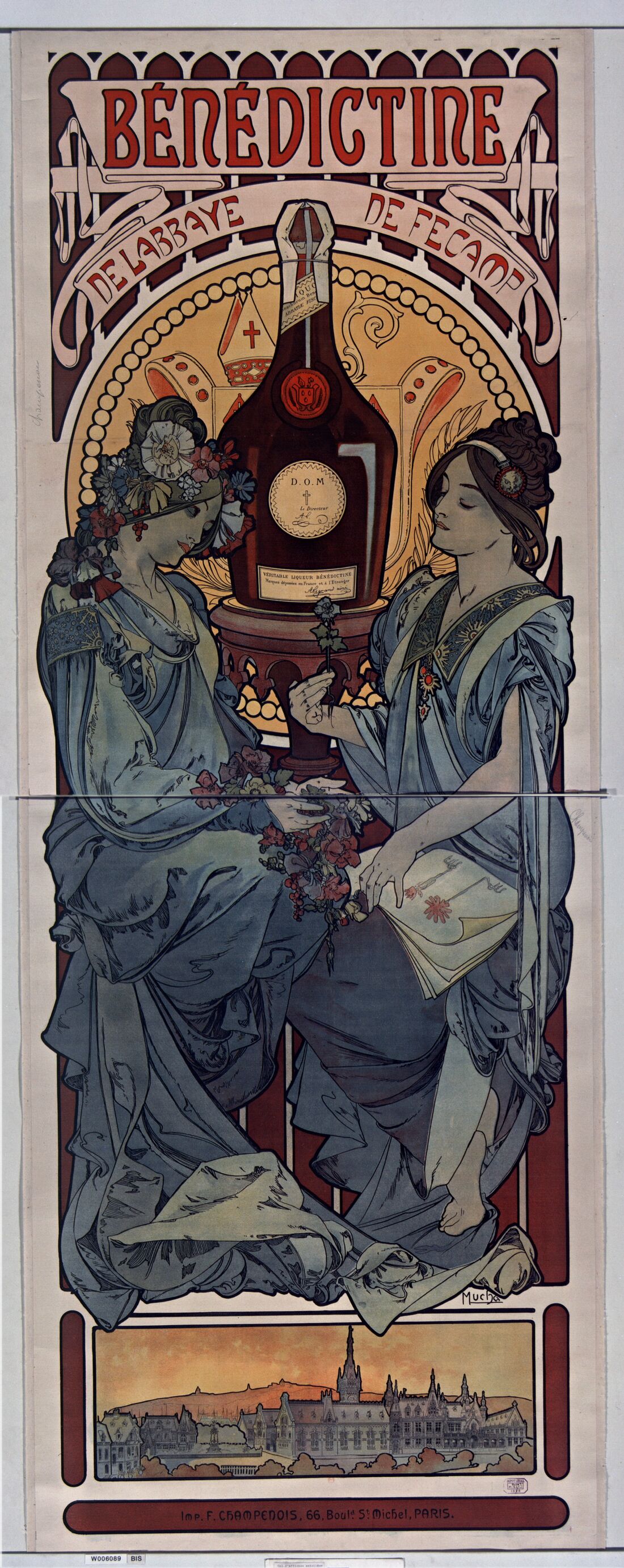
These stories call for caution. Chartreuse is indeed made by the Carthusian monks, who trace it back to a manuscript received in 1605; expelled from France in 1903, they distilled in Tarragona, in Spain, then resumed production in France, at Fourvoirie, before settling in Voiron in 1935. Bénédictine, for its part, was developed in Fécamp in 1863 by a merchant, Alexandre Le Grand, who claimed to have rediscovered the recipe of a 16th-century monk: no independent document attests to this monk or his recipe.
In the glass
Liqueurs cover the whole range of colours, from the green and yellow of herbal liqueurs to the garnet of crèmes de cassis. Their taste combines sugar with the bitterness of plants or the acidity of fruit.
Herbal liqueurs were traditionally served at the end of a meal, as digestifs; fruit crèmes are often lengthened with white wine, as in the blanc-cassis of Dijon.
The colour of the fruit — the fruit itself, macerated. See the six ways of making colour
Terroirs and geographical indications
The recognised production areas attached to this category in the Atlas.
- Cassis de Bourgogne Geographical indication registered in the European Union · France
- Cassis de Dijon Geographical indication registered in the European Union · France
- Cassis de Saintonge Geographical indication registered in the European Union · France
- Génépi des Alpes Geographical indication registered in the European Union · France and Italy
- Ratafia champenois Geographical indication registered in the European Union · France
- Irish Cream Geographical indication registered in the European Union · Ireland
- Liquore di limone di Sorrento Geographical indication registered in the European Union · Italy
- Masticha of Chios Geographical indication registered in the European Union · Greece
- Pacharán navarro Geographical indication registered in the European Union · Spain
- Svensk Punsch Geographical indication registered in the European Union · Sweden
- Zadarski maraschino Geographical indication registered in the European Union · Croatia
Sources and validation
- Sources of the corpus
- Names and statuses: eAmbrosia, the official register of geographical indications of the European Union. Geometries: INAO, Délimitation des aires géographiques des SIQO (27/07/2026), Licence Ouverte v2.0, reprojected to WGS84.
- Corpus updated on
- 1 August 2026
- Validation
- First version Corpus under construction. Each entry is checked and sourced before validation by the future scholarly board. Protection status and mode of location are carried by each entry: an area delimited by a product specification and a reference-town point do not carry the same weight.