N1 · category
Bitters & amari
- Family
- Compound spirit
- Raw materials
- Plants & botanicals
- Place of origin
- Italy & Europe
Colour: Plants, as on the Atlas. Each neighbouring entry leads to its page; the inset, top right, opens the wide view.
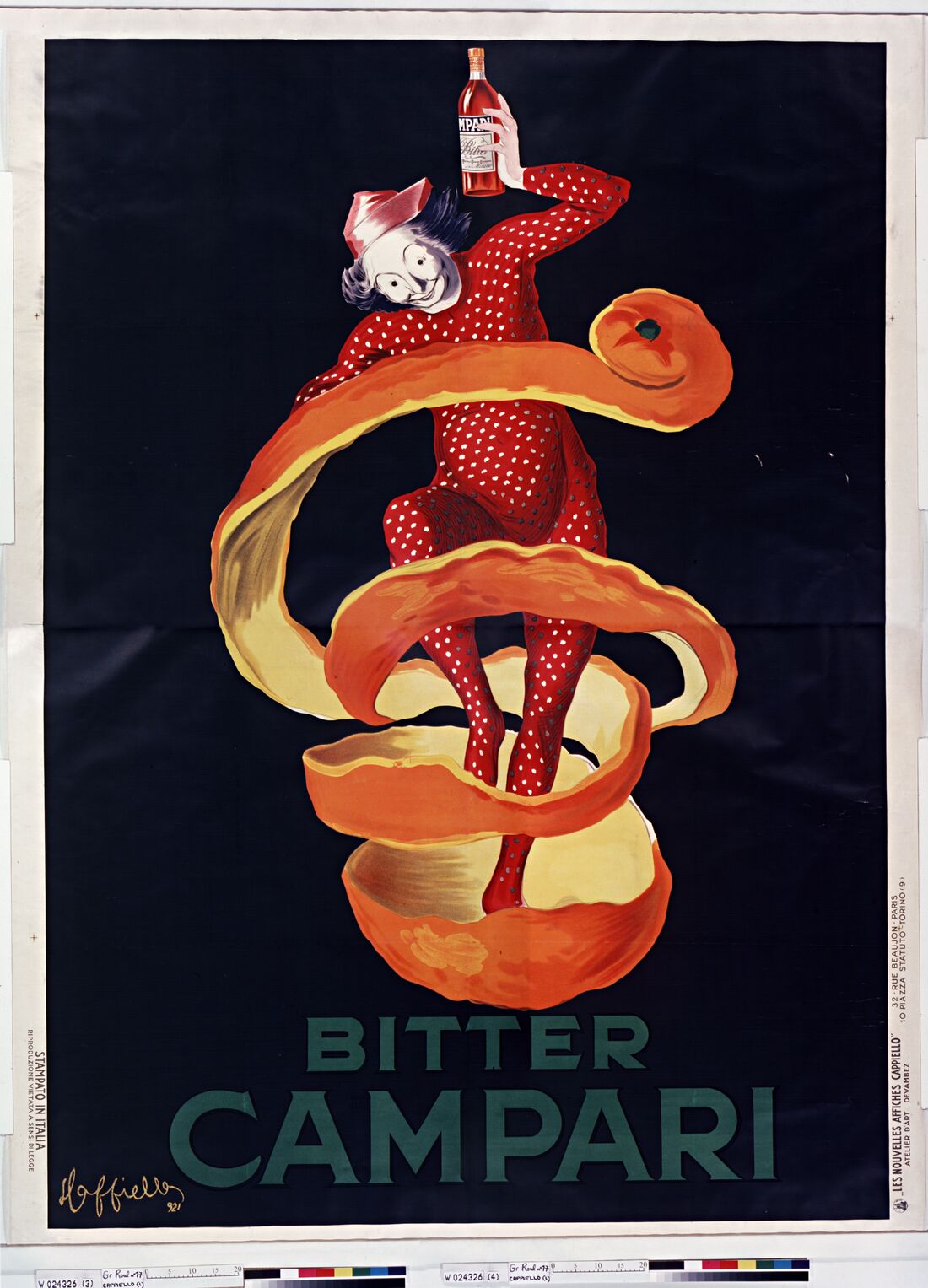
Alcoholic drinks whose bitterness comes from plants: gentian root, cinchona bark, wormwood, bitter orange peel, rhubarb. Italian amari, bitters, quinquinas: long sold as tonics or digestifs, many were born in pharmacies and herbalists' shops.
The bitterness of cinchona comes from quinine, a molecule that fights malaria. A whole family of European aperitifs descends from this remedy.
How it is made
The plants are steeped in alcohol, sometimes for weeks, or distilled; the extracts are then blended, sweetened and reduced. The recipes, which sometimes bring together dozens of plants, are often kept secret.
The family combines products of different kinds. Amari and bitters are spirits, of at least 15% vol.; many amari are, in law, liqueurs. Quinquinas, on the other hand, are most often aromatised wines.
A story
Cinchona bark comes from the Andes. In the 17th century, the Jesuits made it known in Europe as a remedy for fevers. In 1820, two Parisian pharmacists, Pierre-Joseph Pelletier and Joseph Caventou, isolated quinine from it. The remedy accompanied European colonial expansion in Africa and Asia; the British and the Dutch eventually grew cinchona in India and Java, from seeds smuggled out of the Andes.
In 1824, in Angostura, present-day Ciudad Bolívar, in Venezuela, the German physician Johann Siegert developed “aromatic bitters”; Angostura, despite its name, contains no angostura bark.
In the glass
The bitterness mingles with citrus, spice and herbs, sometimes with mint or caramel. In Italy, amari are traditionally served at the end of a meal, neat; bitters, which are highly concentrated, are used by the dash, a few drops in a cocktail.
Terroirs and geographical indications
The recognised production areas attached to this category in the Atlas.
- Hrvatski pelinkovac Geographical indication registered in the European Union · Croatia
Sources and validation
- Sources of the corpus
- Names and statuses: eAmbrosia, the official register of geographical indications of the European Union. Geometries: INAO, Délimitation des aires géographiques des SIQO (27/07/2026), Licence Ouverte v2.0, reprojected to WGS84.
- Corpus updated on
- 1 August 2026
- Validation
- First version Corpus under construction. Each entry is checked and sourced before validation by the future scholarly board. Protection status and mode of location are carried by each entry: an area delimited by a product specification and a reference-town point do not carry the same weight.