N1 · category
Genièvre
- Family
- Compound spirit
- Raw materials
- Cereals · Plants & botanicals
- Place of origin
- Flanders and the northern plain
A spirit flavoured with juniper berries, made wholly or partly from a cereal spirit, rye, barley, wheat, maize or oats, born in the former Low Countries, from Holland to French Flanders. Rounder and more grainy than gin, of which it is the ancestor, it keeps the taste of the grain.
It is a shared heritage: of the three geographical indications present in France, two cross borders, into Belgium, the Netherlands and, for one of them, Germany.
How it is made
Cereals, part of them malted, are mashed and fermented, then the wash is distilled. This yields a lightly rectified grain distillate that keeps the taste of the cereals: “moutwijn”, or malt wine. The juniper berries are added during a distillation, or steeped.
In Belgium and the Netherlands, many genevers combine this malt wine with a neutral spirit. The terms “oude” and “jonge”, old and young, refer not to age but to the recipe: an “oude” genever contains at least 15% malt wine, a “jonge” less than 15%, hence a lighter taste.
A story
In 1552, a book on distilling printed in Antwerp, that of Philippus Hermanni, gives a recipe for juniper spirit. In 1601, according to the product specification of the Flanders and Artois genièvre, the Archdukes Albert and Isabella, rulers of the Spanish Netherlands, prohibited its production from grain, fruit and vegetables; clandestine distilling and smuggling with the United Provinces took over.
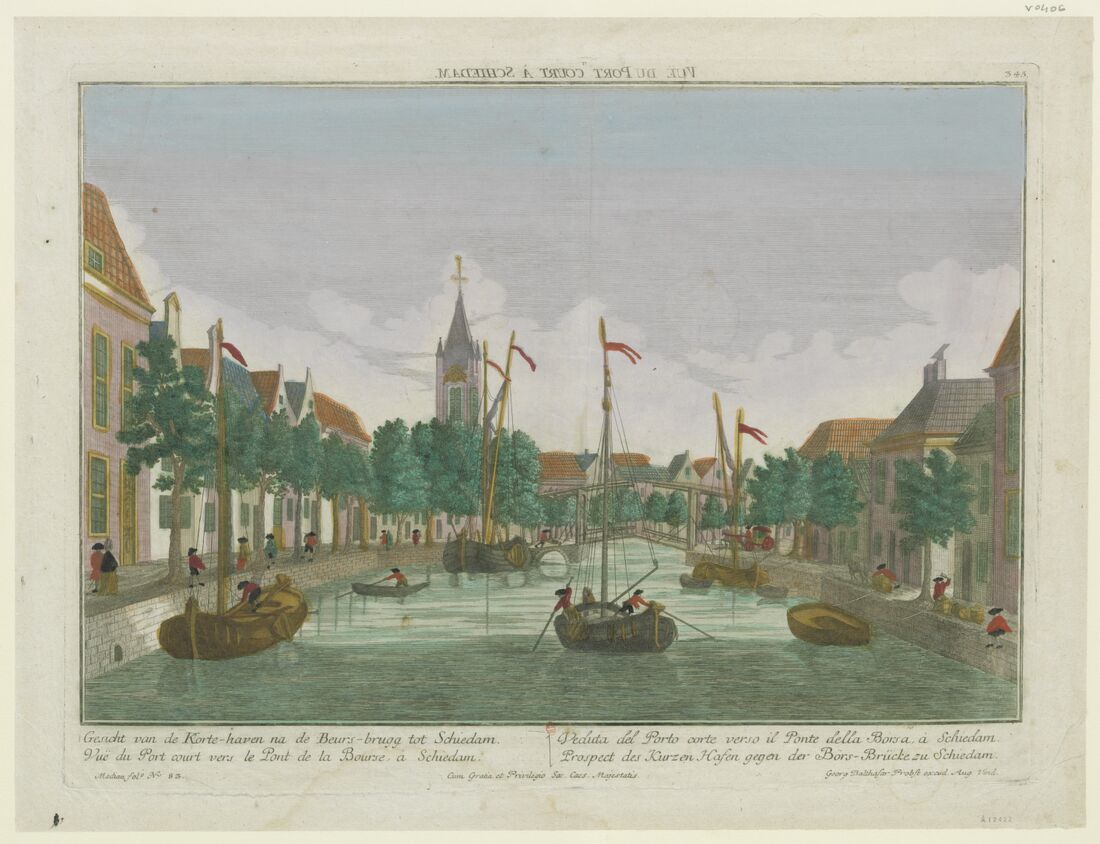
From the 17th century onwards, Schiedam, near Rotterdam, gradually became the town of Dutch genever. It was this genever, imitated in England, that would give rise to gin.
In the glass
Young, genièvre is clear and smells of fresh grain and juniper. Aged in casks, it takes on a straw or amber tint and notes of toasted bread and wood.
In the Netherlands and Belgium it is served in a small tulip glass filled to the brim. In the Netherlands, the “kopstootje”, the “little headbutt”, pairs a glass of genever with a beer; as the glass is full to the brim, the first sip is often taken leaning over the bar, without lifting it.
Terroirs and geographical indications
The recognised production areas attached to this category in the Atlas.
- Genièvre Geographical indication registered in the European Union · Belgium, Netherlands, France, and Germany
- Genièvre Flandre Artois Geographical indication registered in the European Union · France
- Genièvre de grains Geographical indication registered in the European Union · France, Belgium, and Netherlands
- Spišská borovička Geographical indication registered in the European Union · Slovakia
Sources and validation
- Sources of the corpus
- Names and statuses: eAmbrosia, the official register of geographical indications of the European Union. Geometries: INAO, Délimitation des aires géographiques des SIQO (27/07/2026), Licence Ouverte v2.0, reprojected to WGS84.
- Corpus updated on
- 1 August 2026
- Validation
- First version Corpus under construction. Each entry is checked and sourced before validation by the future scholarly board. Protection status and mode of location are carried by each entry: an area delimited by a product specification and a reference-town point do not carry the same weight.